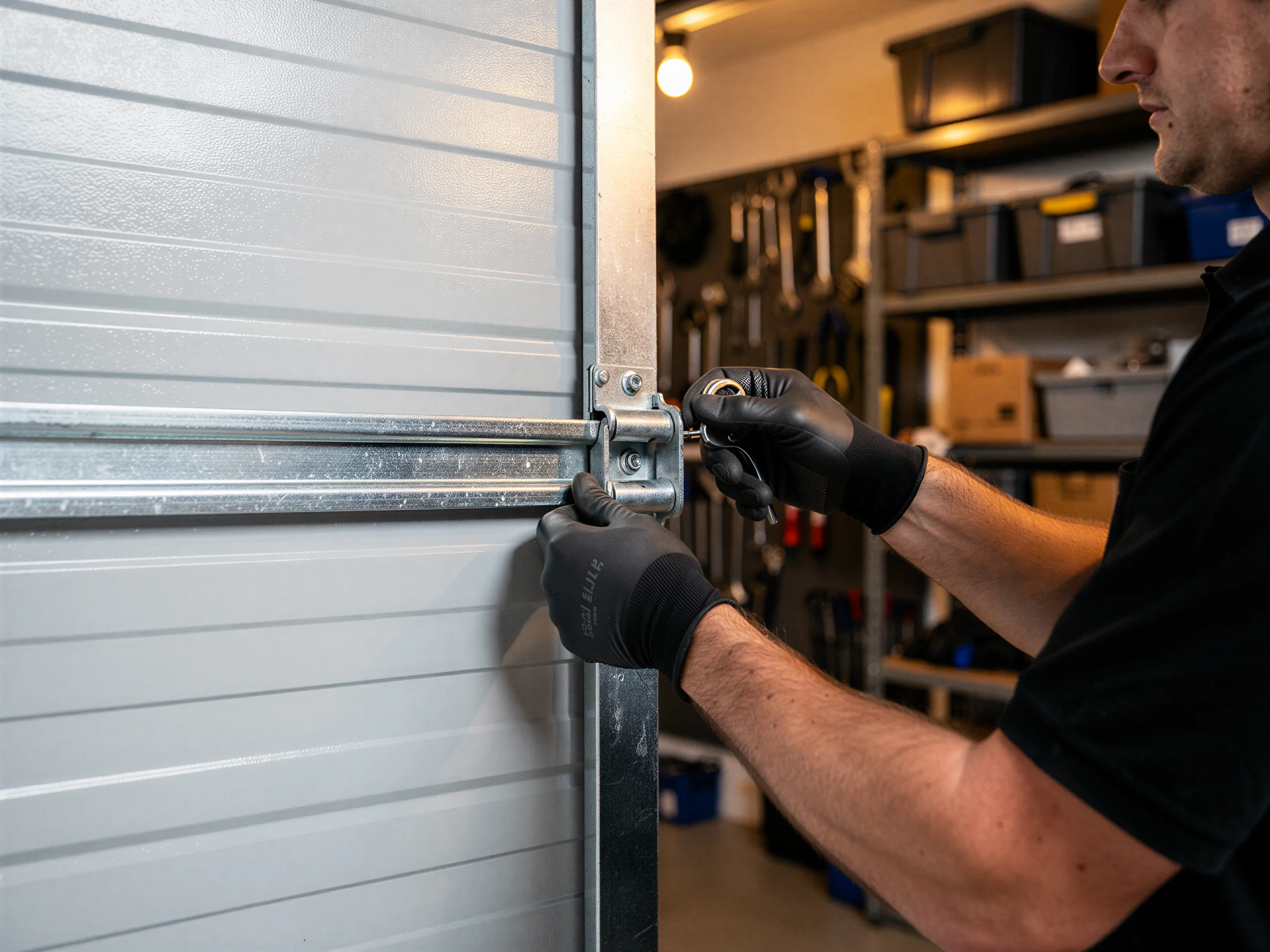
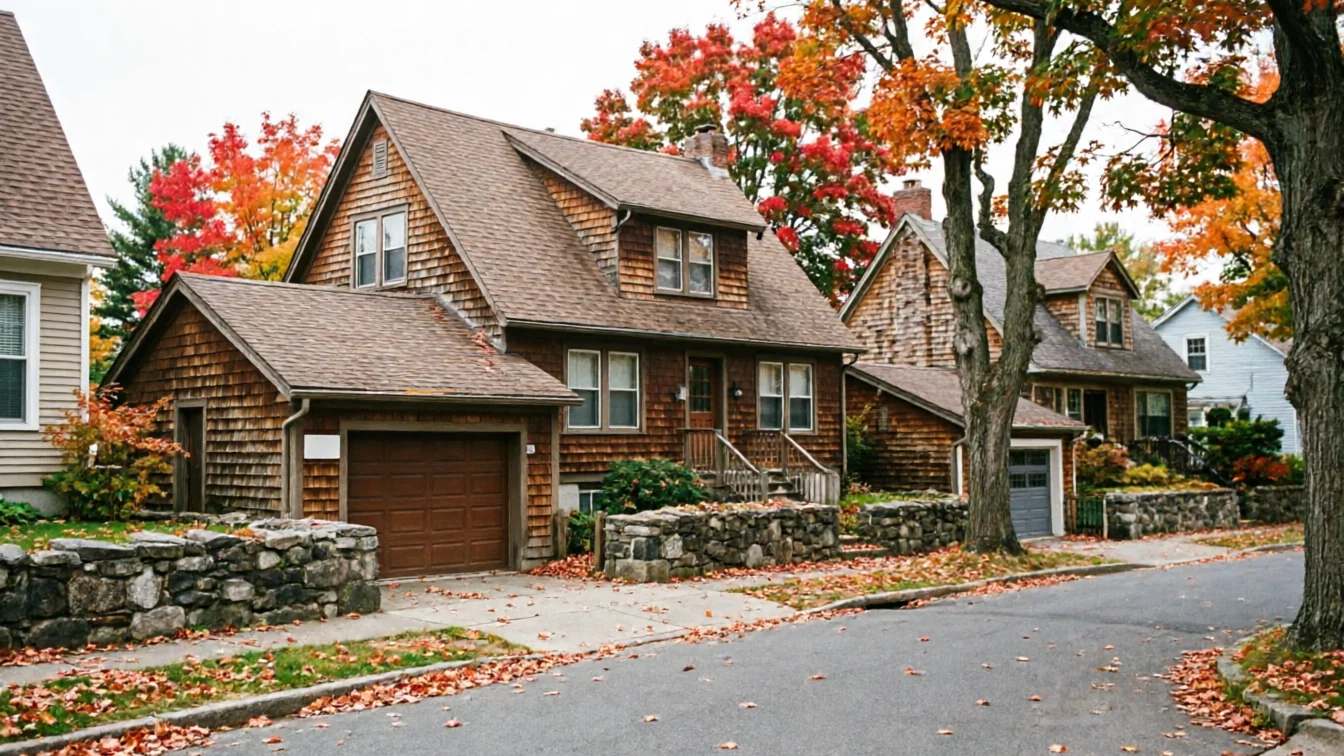
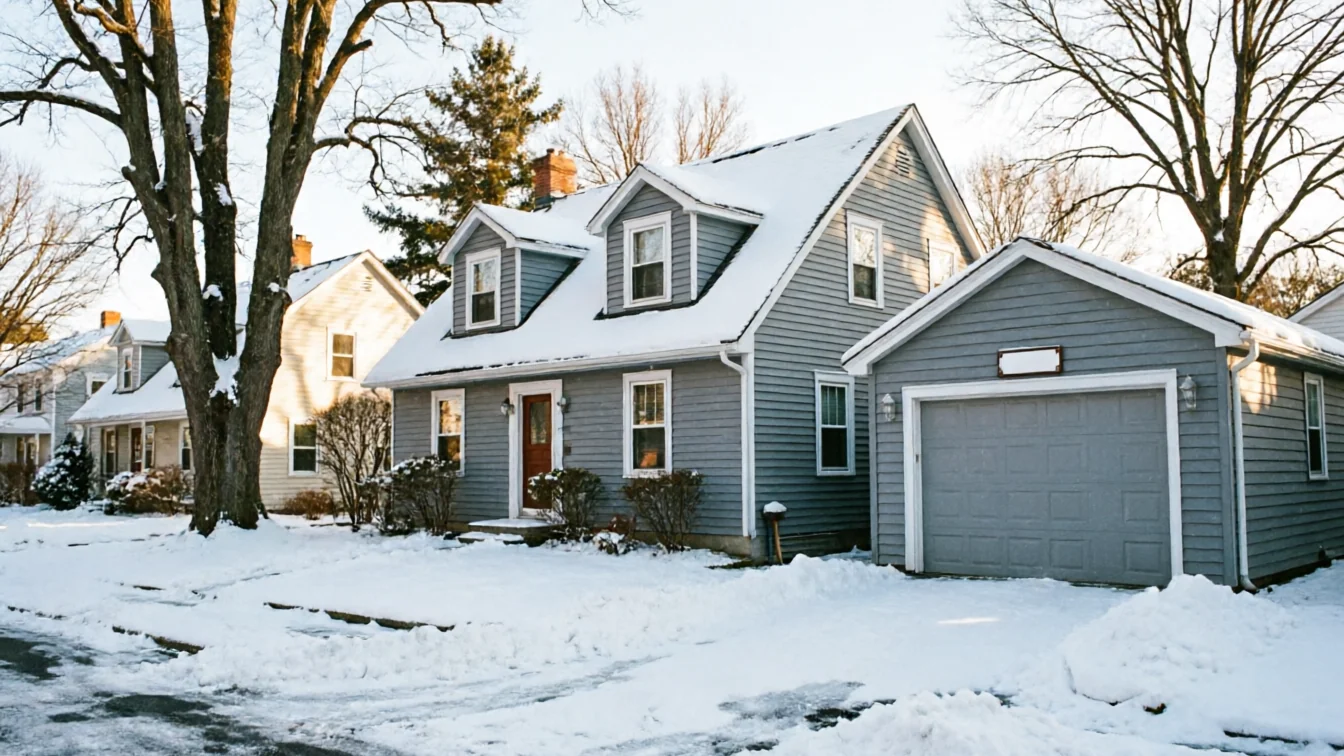
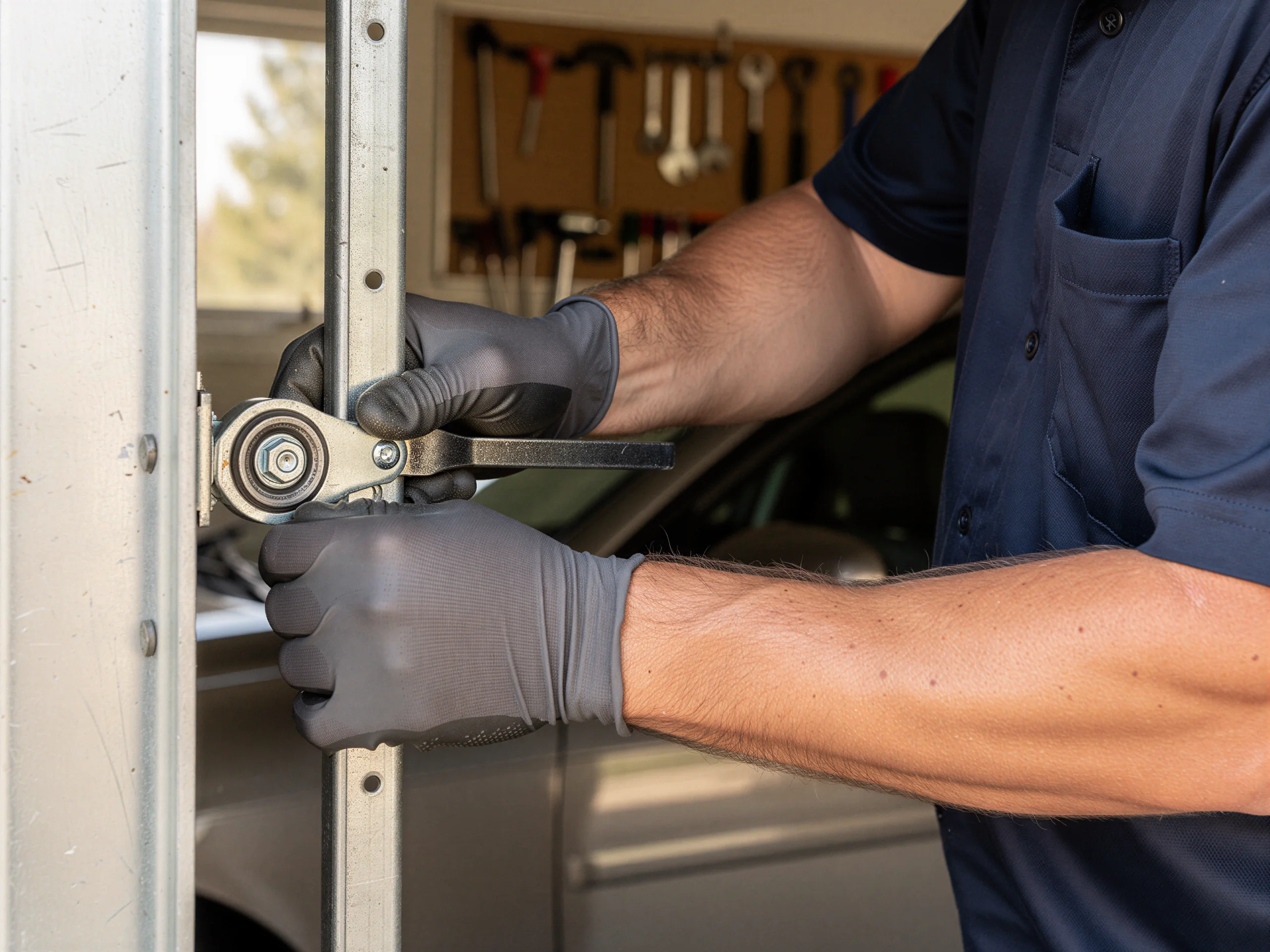
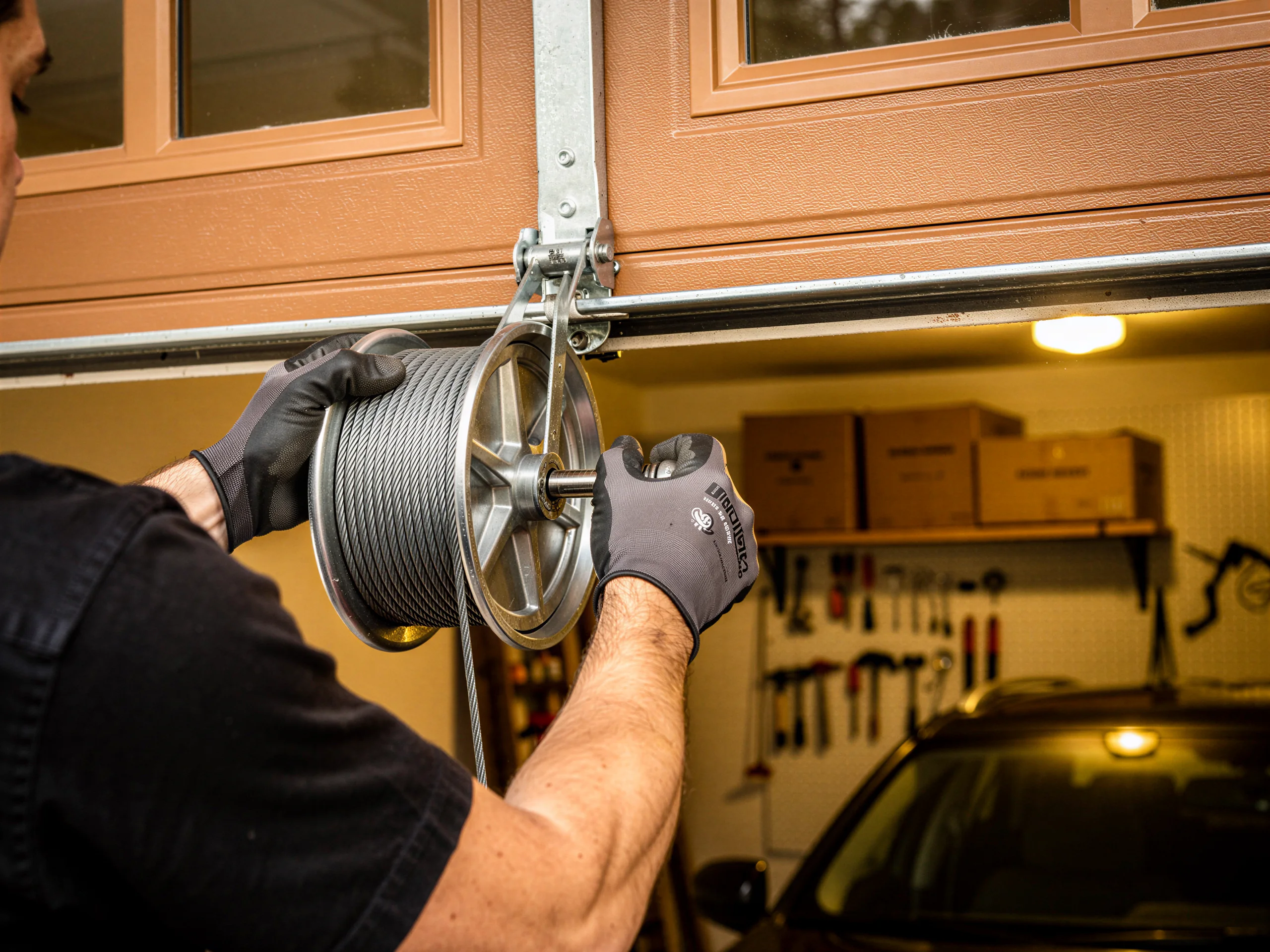
Most of the call-outs we get start the same way: the door won't budge, or it slams down the last foot of track. In a house built between 1955 and 1984 - which covers most of Stamford's housing, median year 1968 - that usually means a torsion spring that's fatigued past its rated cycle count, or an extension spring system on side-mounted brackets that was never meant to carry today's heavier insulated panels.
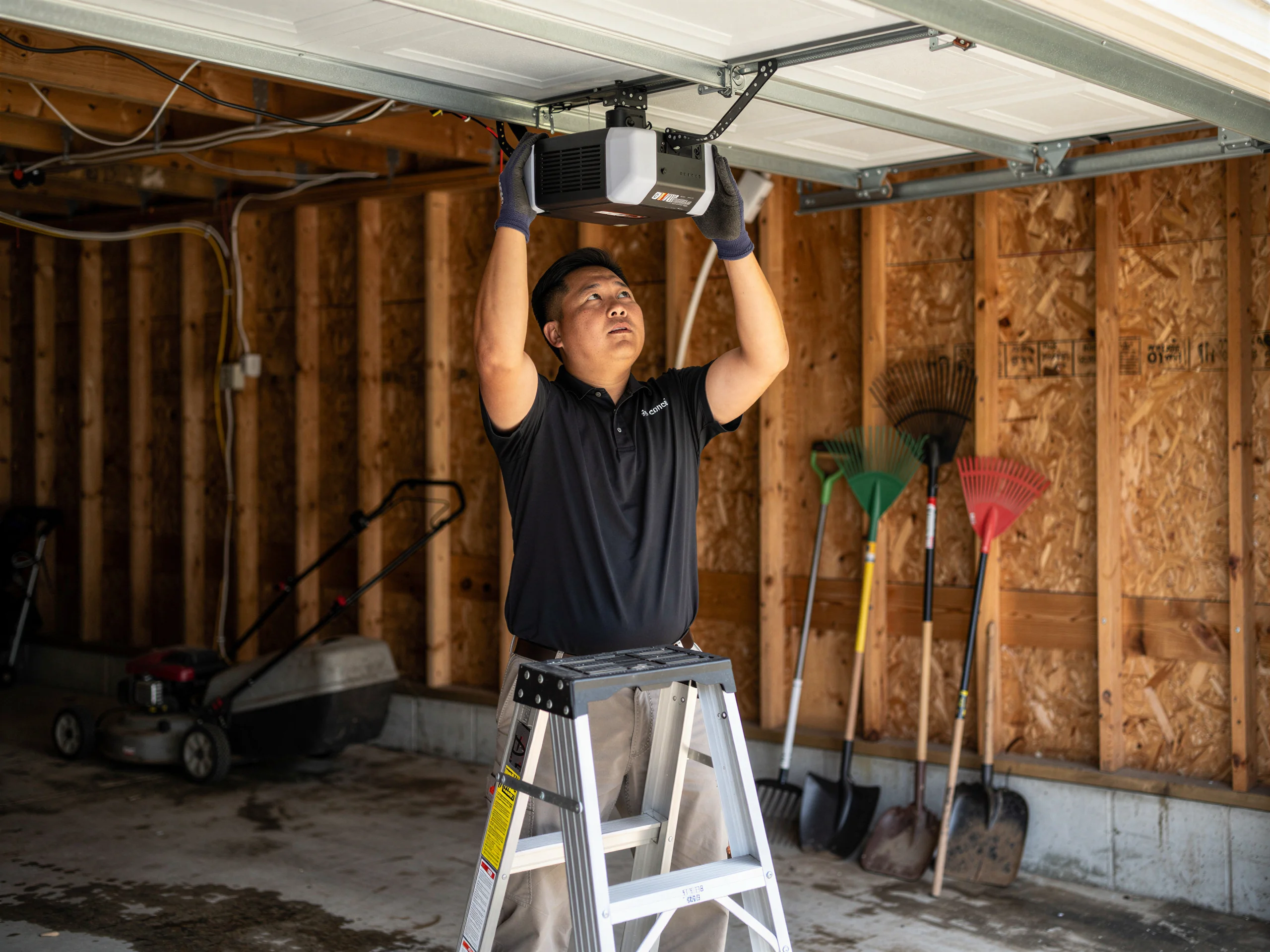
The sideways part is this: a homeowner hears a loud bang and assumes the opener motor burned out. It didn't. The spring let go, and the opener has been straining against a dead-weight door for weeks trying to compensate, which is why by the time we get the call, the drive gear or the circuit board is also on its way out. One failure masks the next.
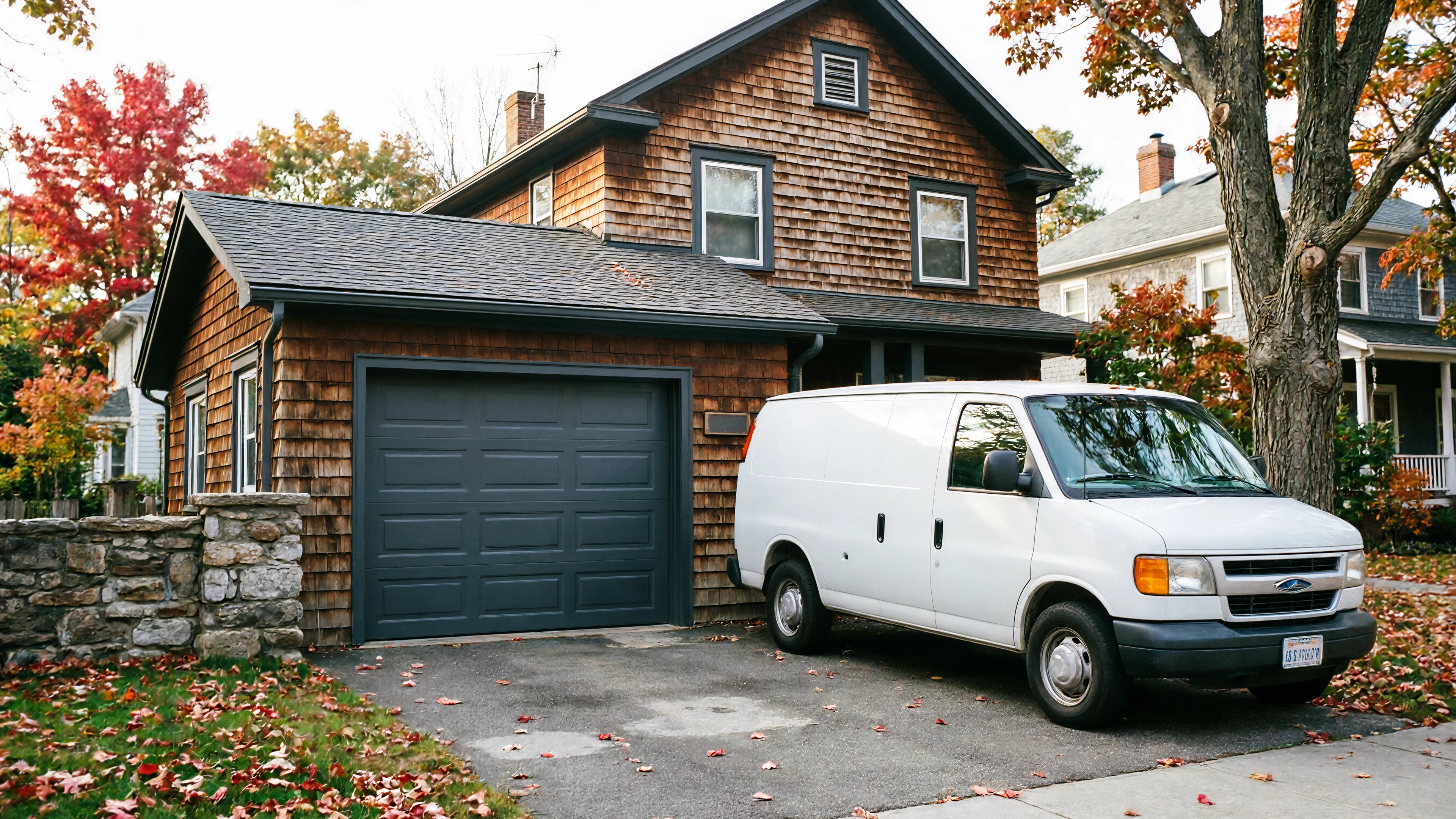
We see this across the 16 named areas we work - Cos Cob, Springdale, Glenbrook-Belltown, Downtown, and the rest - because the housing age is consistent even where the lot sizes and prices aren't. Older torsion hardware doesn't care what the house is worth.