
Recalled opener exclusions
We also don't take on jobs where the opener has been recalled or where a homeowner wants us to rewire a unit that was never UL-listed for residential use; that's a manufacturer issue, not a service call.
Riverside, Stamford CT
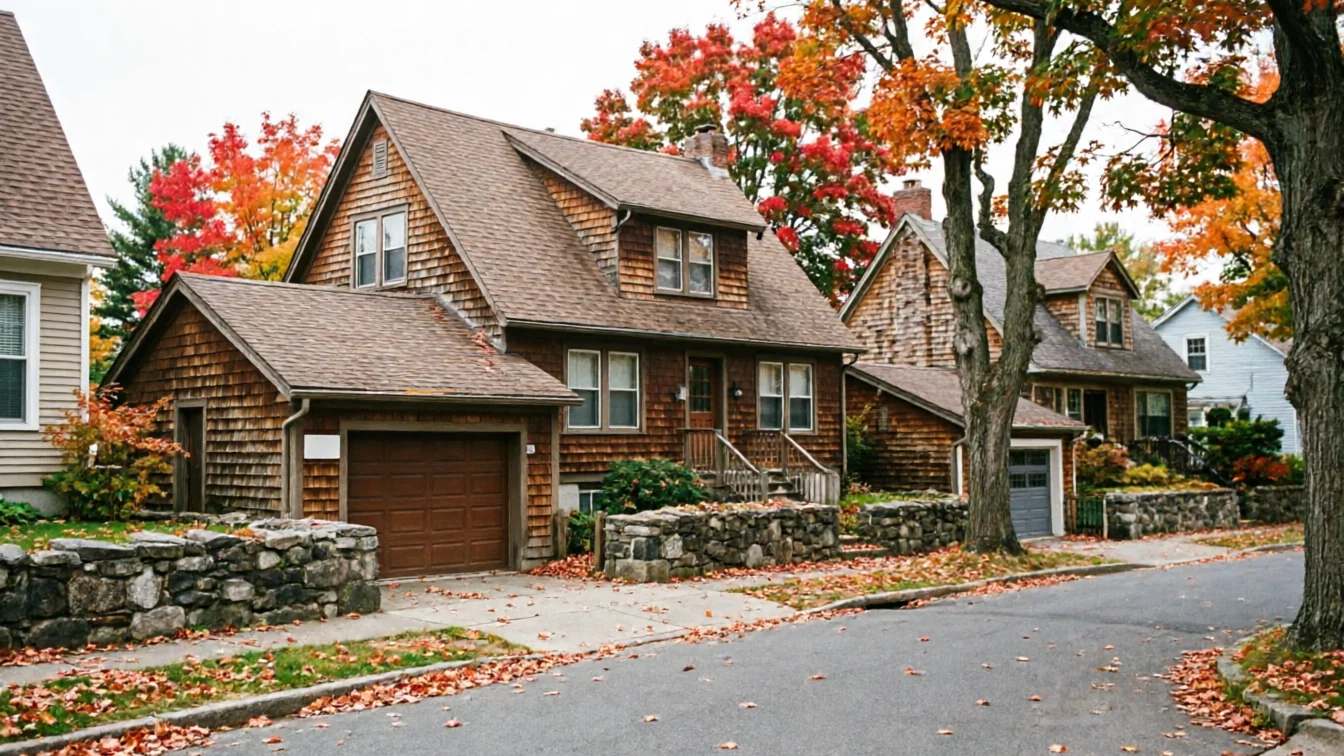
Serving Riverside, CT from Stamford, 4 miles away. We work on the 1960s-era torsion and extension setups common to this part of town.
Popular Services
What we do here
Our limits
We're honest about where our truck turns around. We run out of Stamford, about 4 miles from Riverside, and we don't keep a depot or staging point in town, so same-day isn't something we promise here - we schedule the run and tell you the window before we leave.
We also don't take on jobs where the opener has been recalled or where a homeowner wants us to rewire a unit that was never UL-listed for residential use; that's a manufacturer issue, not a service call.
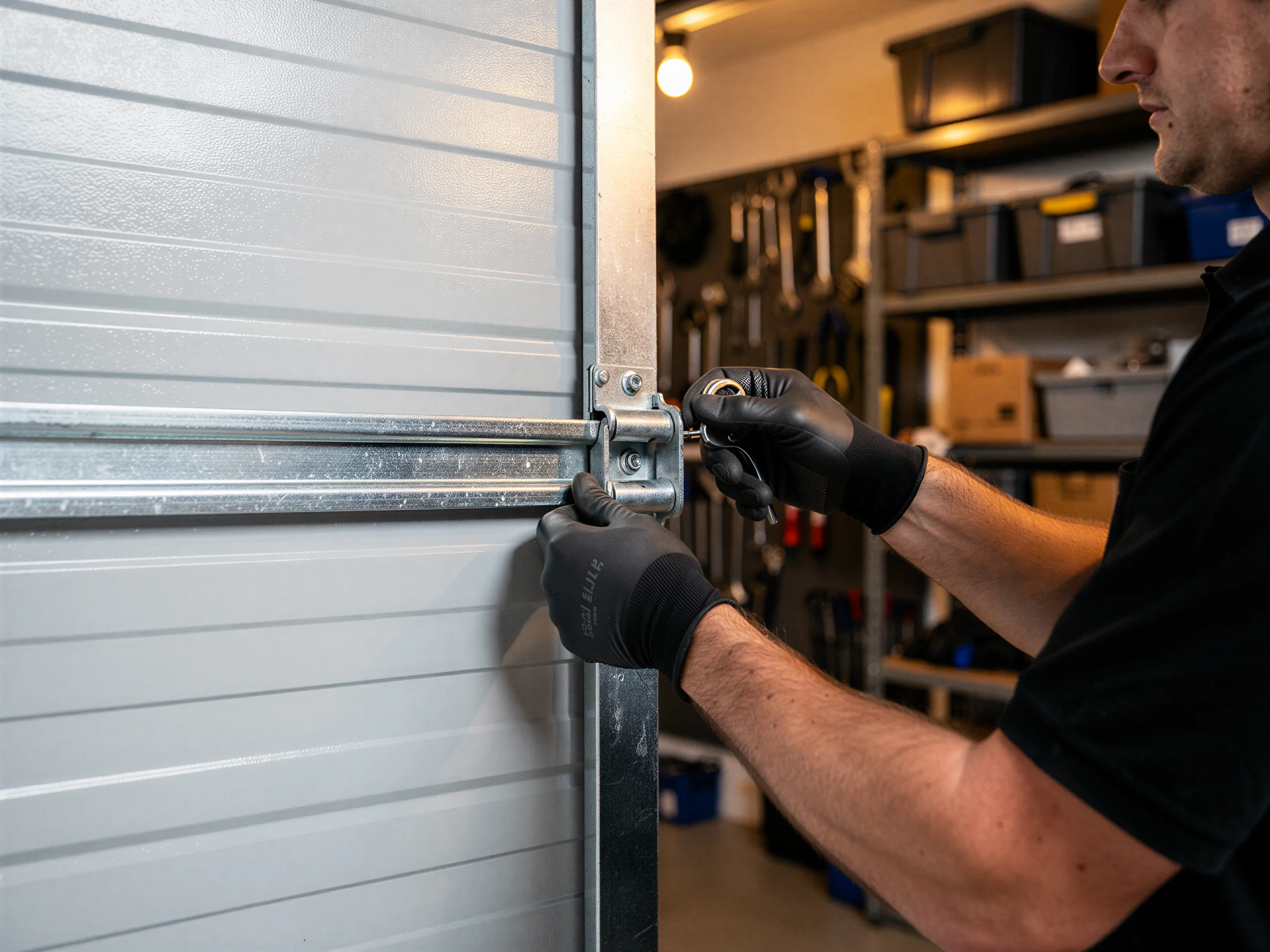
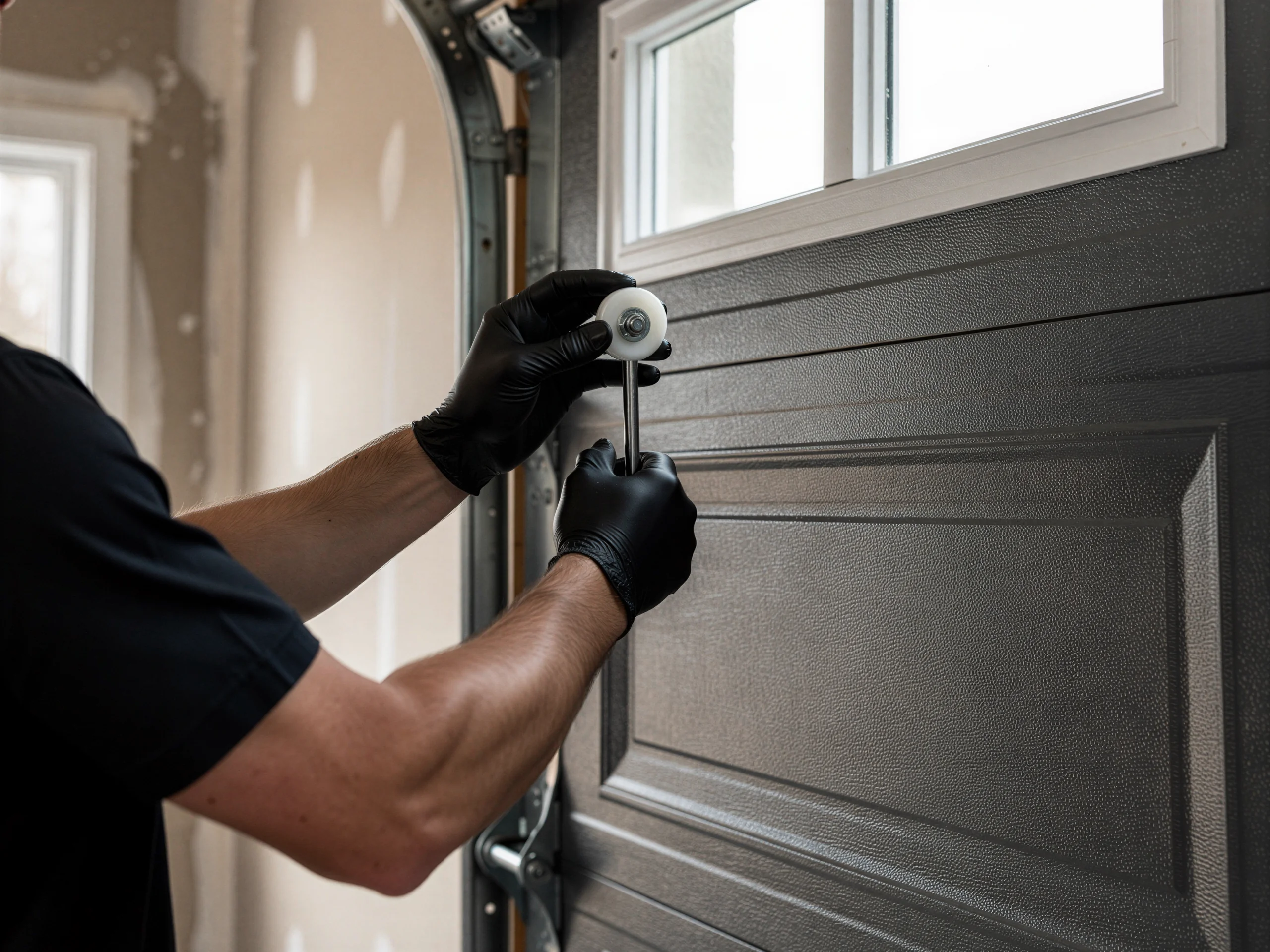
If a door has been welded, cut, or modified from its original factory bracket layout, we'll look at it, but we won't guess at load ratings that were never engineered for the panel in front of us.
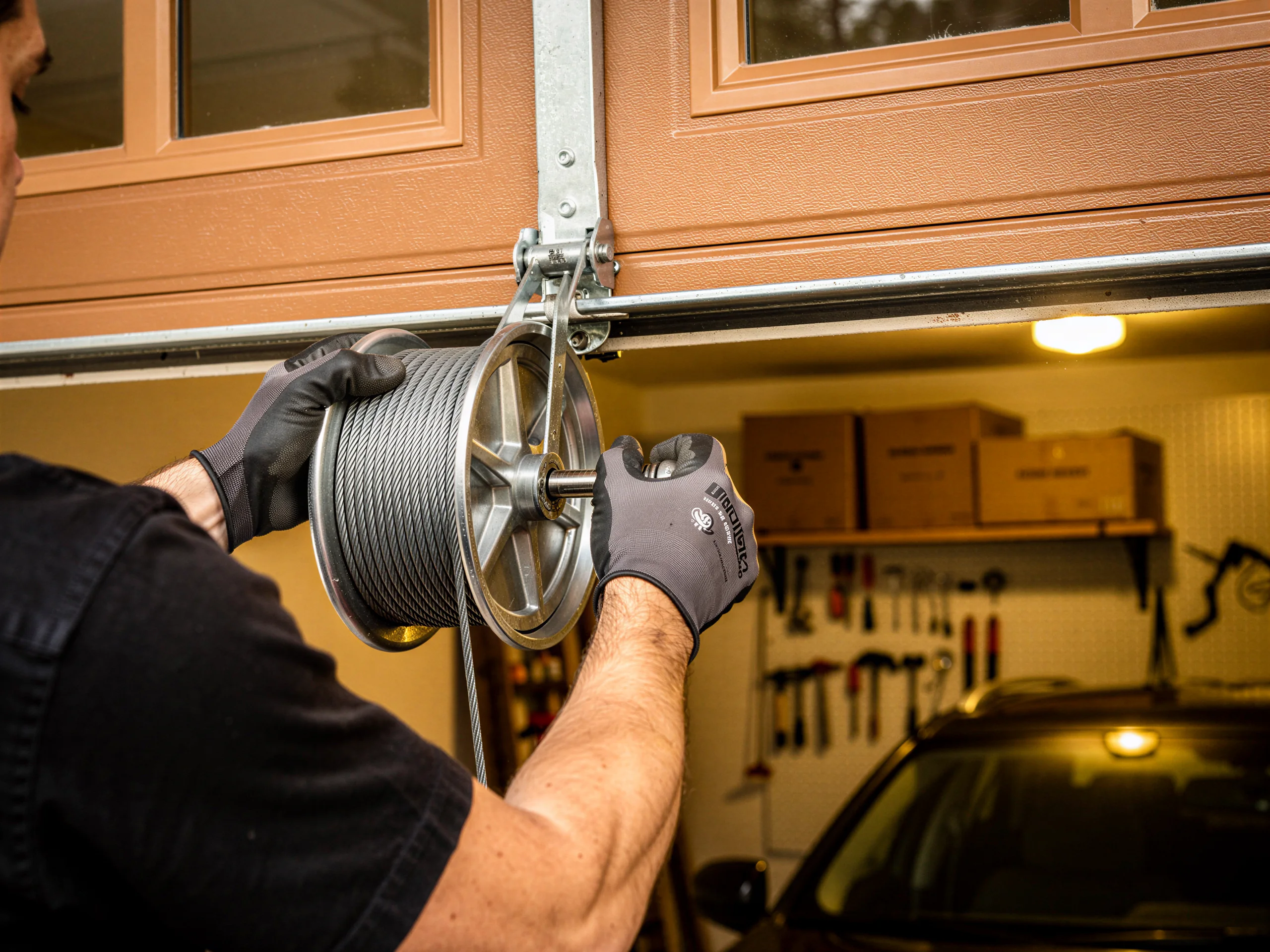
And if a cable has already jumped the drum and wrapped the shaft, we're not going to hand-crank it free on site - that's a locked-out, de-energized repair with the right clamps, not a five-minute fix. Setting expectations up front costs us nothing and saves you a wasted afternoon.
Warning signs
Riverside's housing mostly went up around 1963, a few years earlier than the median for Stamford's broader service area, which runs closer to 1968. That earlier build date matters more than it sounds like it should.
Doors from this stretch were commonly installed with extension springs mounted along the horizontal track rather than the torsion-over-the-header setup that became standard in later builds across the wider area.
Extension spring systems age differently - the pulleys wear, the safety cables (where they exist at all) are often the older unlined style, and the stationary cone hardware corrodes at a different rate than torsion anchor brackets.
When we get a call from this part of town, we're usually not quoting a modern torsion spring replacement; we're often retrofitting a safety cable system onto an extension setup that predates the current code requirement for one. That's a different parts list, a different labor time, and a different price than the torsion jobs that dominate newer sections of the service area.
Response times
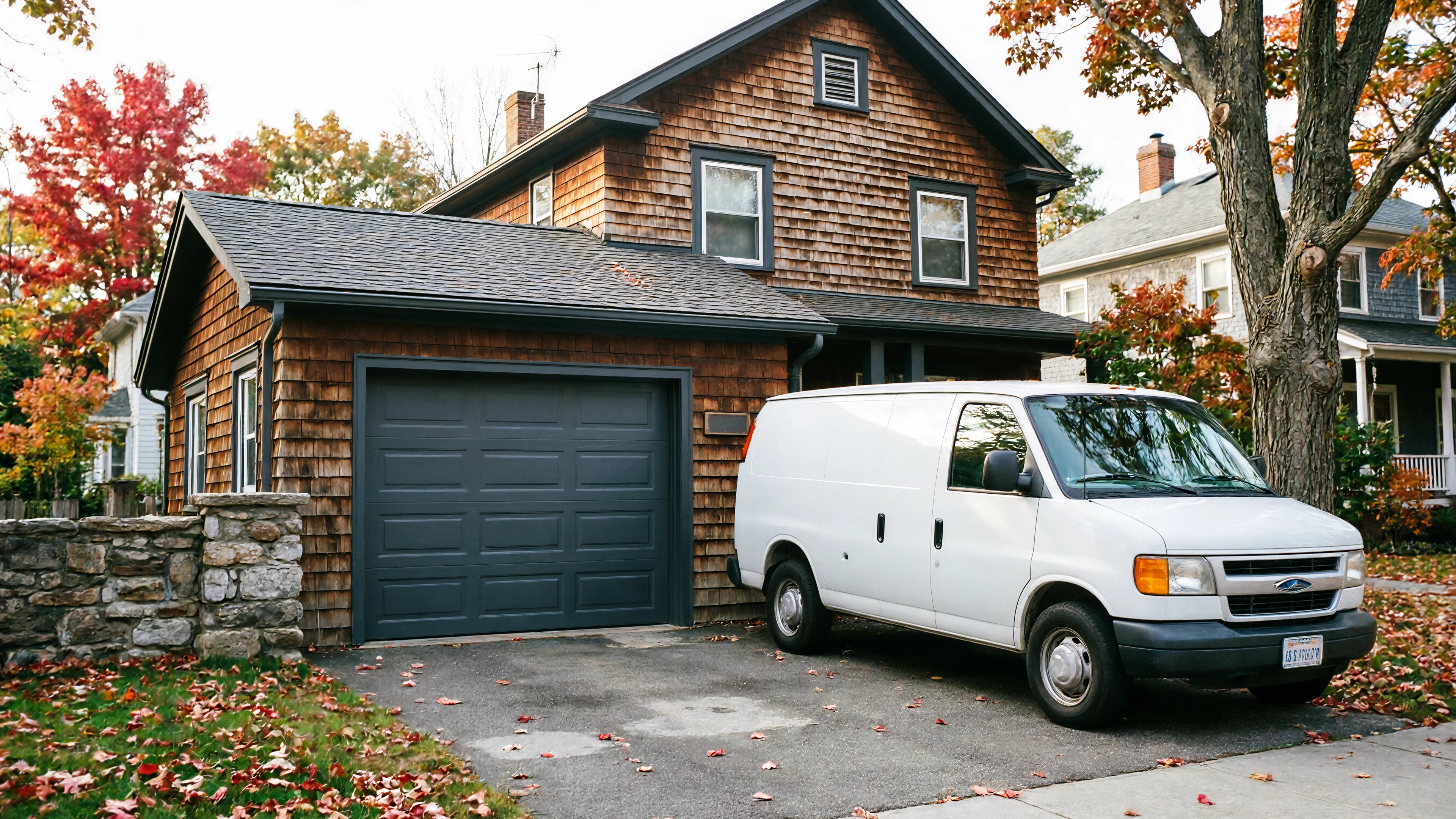
Riverside sits in a COLD-severe climate band, same as the rest of the Stamford service area, and the failure pattern follows the thermometer. Extension springs lose tension faster in deep cold than torsion springs do, because the coil geometry flexes more with each cycle - so a door that felt fine in October can feel noticeably heavier by January, and that's often the first sign a spring is near the end of its life rather than something to ignore. With roughly 3,014 households in Riverside and a housing stock concentrated in that early-1960s window, we see a cluster of these extension-spring calls every cold snap, not spread evenly across the year like you'd expect with newer torsion hardware. If your door has gotten noticeably harder to lift by hand over the past month, that's worth a call before the cable gives out entirely, not after.
Local housing
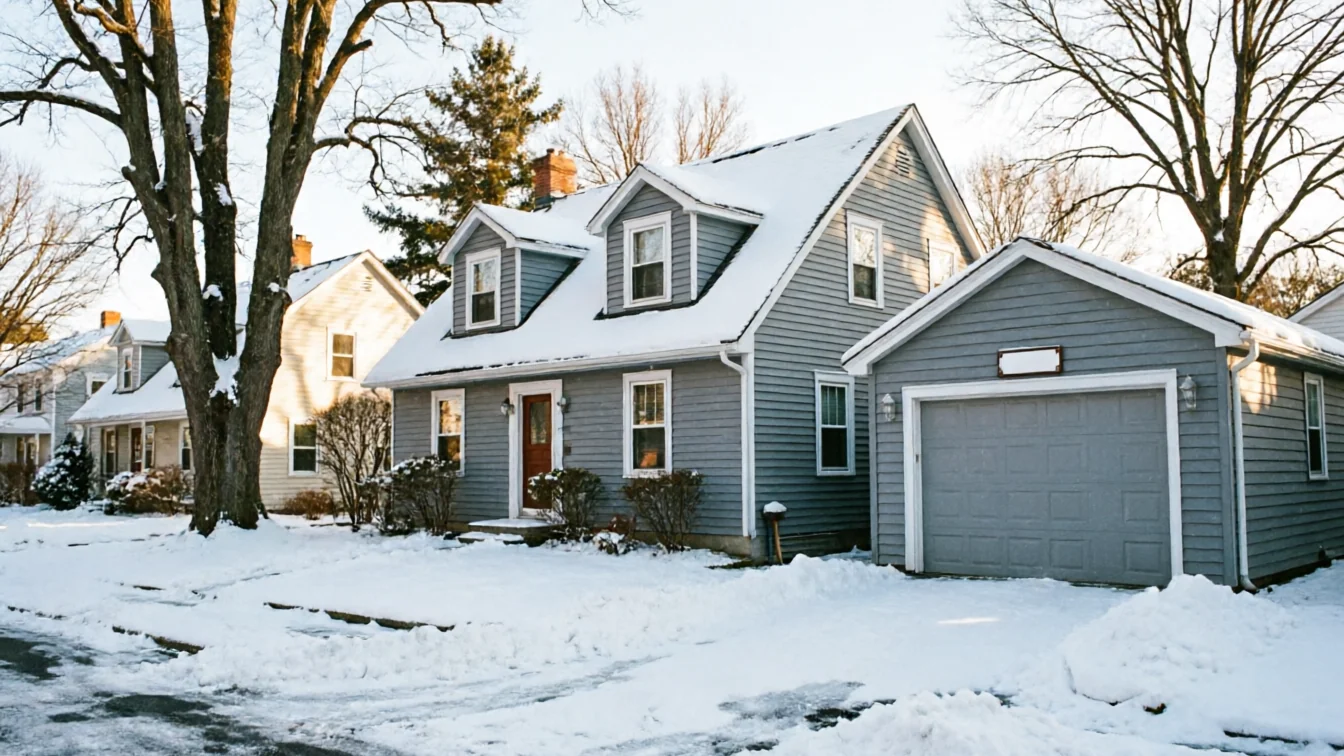
With a median household income around $250,001, Riverside skews toward larger original garage openings and, often, upgraded double-car doors added or replaced since the house was first built - which means the opener and the door itself may not be the same vintage even on a house from 1963. That mismatch is common and not a problem by itself, but it does mean we check both halves of the system rather than assuming they were installed together. Across the broader Stamford area, which covers 60,329 households and 39,759 owner-occupied houses spanning sixteen named sections, the building stock runs mostly 1955 to 1984 - Riverside sits on the earlier edge of that range. That earlier edge is exactly why the hardware conversation here is different from, say, a house built in the late 1970s: different spring type, different bracket spacing, and often a narrower original rough opening that later double-door retrofits had to work around.
Service areas
Questions
No. We run out of Stamford, about 4 miles away, and travel to Riverside for scheduled calls. We don't keep a depot or stock truck stationed in town, so we won't promise an on-the-spot same-day fix - we'll give you a realistic window when you call.
Riverside's housing mostly dates to around 1963, when extension springs mounted along the horizontal track were common. Homes built later in the broader service area, closer to the 1968 median, more often got torsion springs over the header. The two systems age and fail differently.
Depends on the bracket condition and whether a safety cable is already present. If the stationary cone hardware is corroded or there's no safety cable, we'll usually recommend upgrading the whole spring assembly rather than patching a system built before that safety cable became standard.
Ready when you are
Stamford Garage Door Pros repairs and installs garage doors, springs and openers in Stamford, CT and the surrounding area.