
Header and jamb reframing
Reframing a header, replacing rotted or shifted jamb lumber, or upgrading to an insulated panel to actually hold heat in a cold-severe climate all add labor and material that a straightforward swap doesn't.
Stamford, CT
Stamford homes from the 1960s and 70s often hide original garage door hardware not rated for today's springs. Here's what installation involves and costs.
Popular Services
Watch-outs
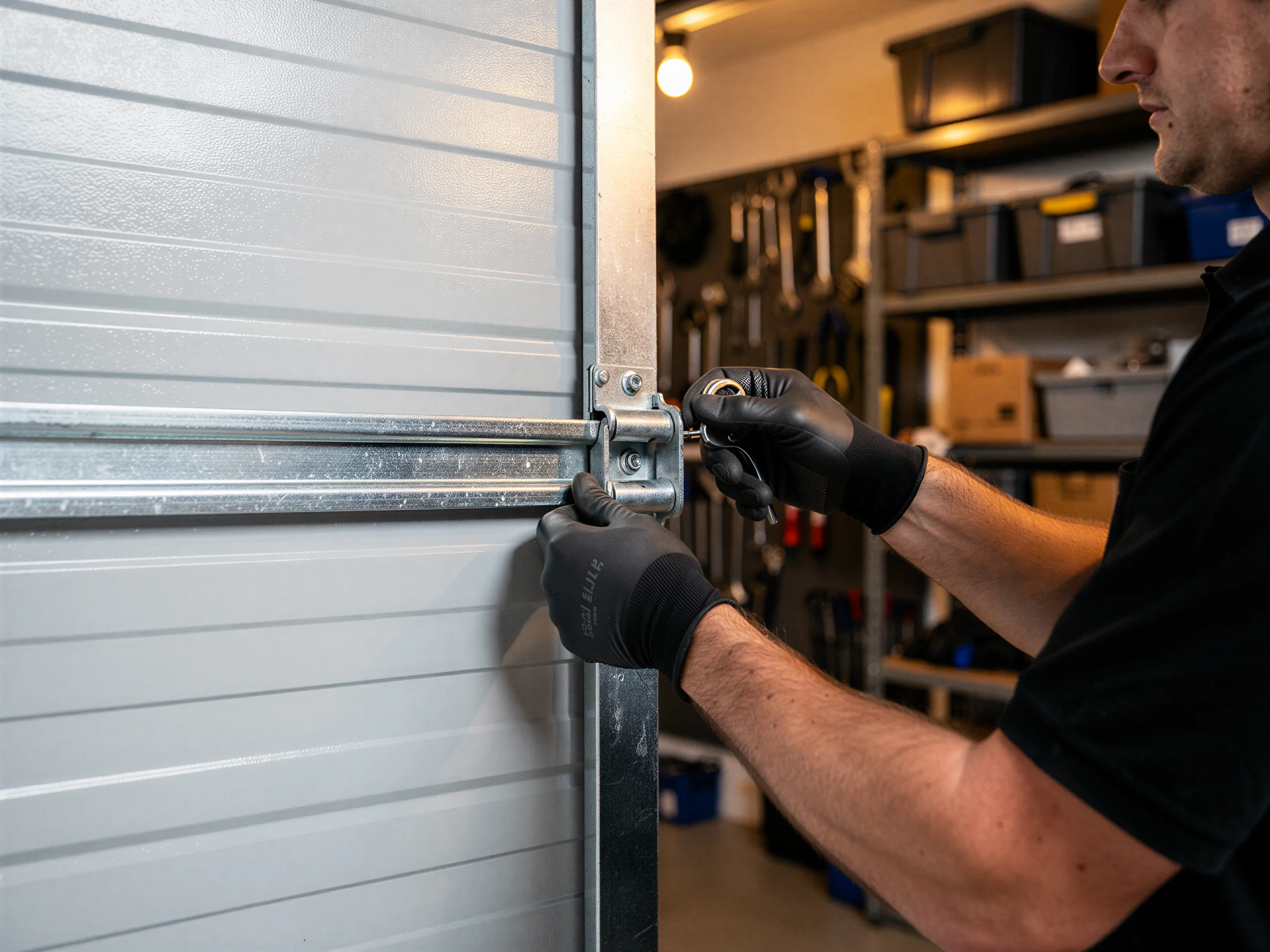
Most of the housing stock in this service area went up between 1955 and 1984, with a median build year of 1968. That matters for installation because a house from that era usually still has its original jamb framing, and that framing was sized for the doors of the time - thinner steel, lighter springs, hardware mounted straight to wood that's had sixty years to shift and settle. When we pull an old door to put in a new one, we're not just swapping panels. We're often finding a header that's out of square, jamb brackets that were never rated for a heavier insulated door, or a track alignment that was fine in 1968 and isn't fine now. Skip that check and the new door binds, drags, or walks out of its tracks within a season. The failure isn't the new door - it's installing modern hardware onto framing nobody re-measured. This is the step a lot of quick installs skip, because on paper the opening looks standard. It rarely is, once you're actually behind the old trim.
Local causes
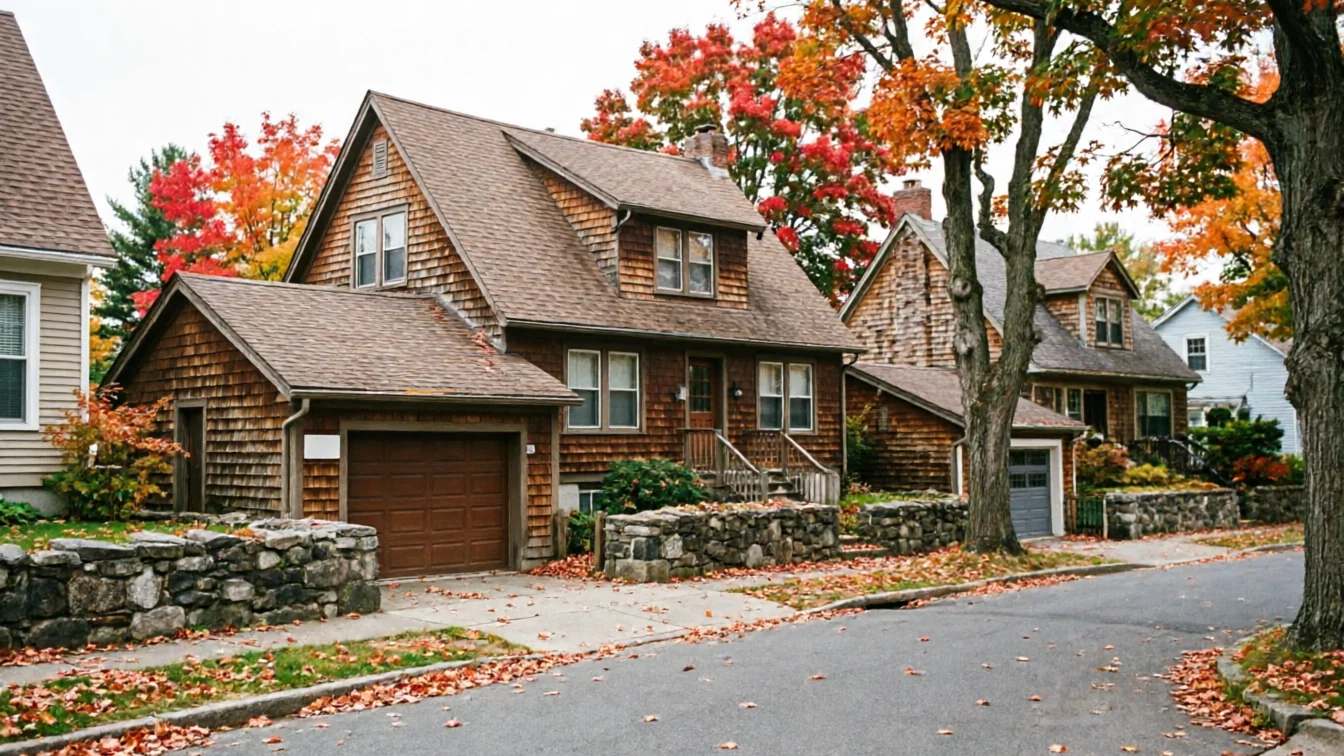
Stamford sits in a cold-severe climate band, and that changes what "standard installation" needs to mean here. A single-layer steel door from the 1960s-70s stock common across this area's 16 named neighborhoods - from Springdale and Glenbrook-Belltown down to North Stamford and the Cove-East Side-Shippan corridor - was never built with a thermal break or a tight bottom seal designed for repeated freeze-thaw cycles. Cold air finds the gap at the bottom panel first, then works along the track where moisture collects and refreezes overnight. On an older opening, that cycle also pries at wood jambs that have already moved over decades, which loosens the very brackets a new door needs to hang straight. Install a modern door without addressing the track alignment and weather seal underneath, and you've put a better product into the same failure path. This is less about door quality and more about matching the install to what the opening and the climate have been doing to each other for fifty years.
Pricing
We don't have a flat number to hand you here, because what drives the bill on a house from the 1955-1984 build era is rarely the door itself - it's what's behind it.
Reframing a header, replacing rotted or shifted jamb lumber, or upgrading to an insulated panel to actually hold heat in a cold-severe climate all add labor and material that a straightforward swap doesn't.
Given a median household income of $183,112 across the service area, we see more homeowners choose a full replacement over a patch job once they understand what a repair on fifty-year-old hardware is actually buying them - a few more years on parts that are already near the end of their service life.
The honest limitation: if your opening needs structural work, we won't quote a number until we've opened it up and looked. Anyone who gives you a firm price over the phone on an older Stamford house hasn't seen your jambs yet.
Warning signs
On a house from this era, the symptoms show up slow, then all at once. A door that used to close without a sound starts catching halfway down, usually right where the track meets a bracket that's loosened in the original wood jamb.
You'll feel a draft along the bottom seal in January that wasn't there in October - not because the door failed overnight, but because the seal compressed and the cold-severe winter found the gap.
Panels on the original 1960s-70s stock often show rust blooming from the inside out, starting at seams where condensation sits against bare steel with no thermal break. None of this is unique to one house - it's the shared pattern across a service area where most of the stock is the same age and was built to the same specs.
If your door is original to a house built in that 1955-1984 window, these are the first signs worth a look before the opener starts straining against a track that's no longer true.
Questions
It's common. A lot of the housing stock in this area dates to that window, with a median build year of 1968, and original doors and track hardware from that period are still in plenty of garages. If yours has never been replaced, it's worth having the track and jamb brackets checked before anything fails outright.
Given the cold-severe climate here, an insulated panel with a tight bottom seal holds up better against the freeze-thaw cycling that wears out older single-layer doors. It won't fix a misaligned track on its own, but paired with a proper install it cuts down on the ice and draft issues original 1960s-70s doors tend to develop.
On houses from the 1955-1984 build era, the opening itself is often the variable - shifted jambs, an out-of-square header, or brackets that need reframing. We won't price structural work sight unseen, because what's behind the old door changes the job more than the door itself does.
Explore more
Ready when you are
Stamford Garage Door Pros repairs and installs garage doors, springs and openers in Stamford, CT and the surrounding area.