Fast garage door repair in StamfordCall (475) 203-3812

Riverside, Stamford

Garage Door Repair for Riverside, CT Homes

Garage door repair in Riverside, CT, 4 miles from our Stamford shop. We know the 1960s-era torsion and extension spring setups common on this side of town.

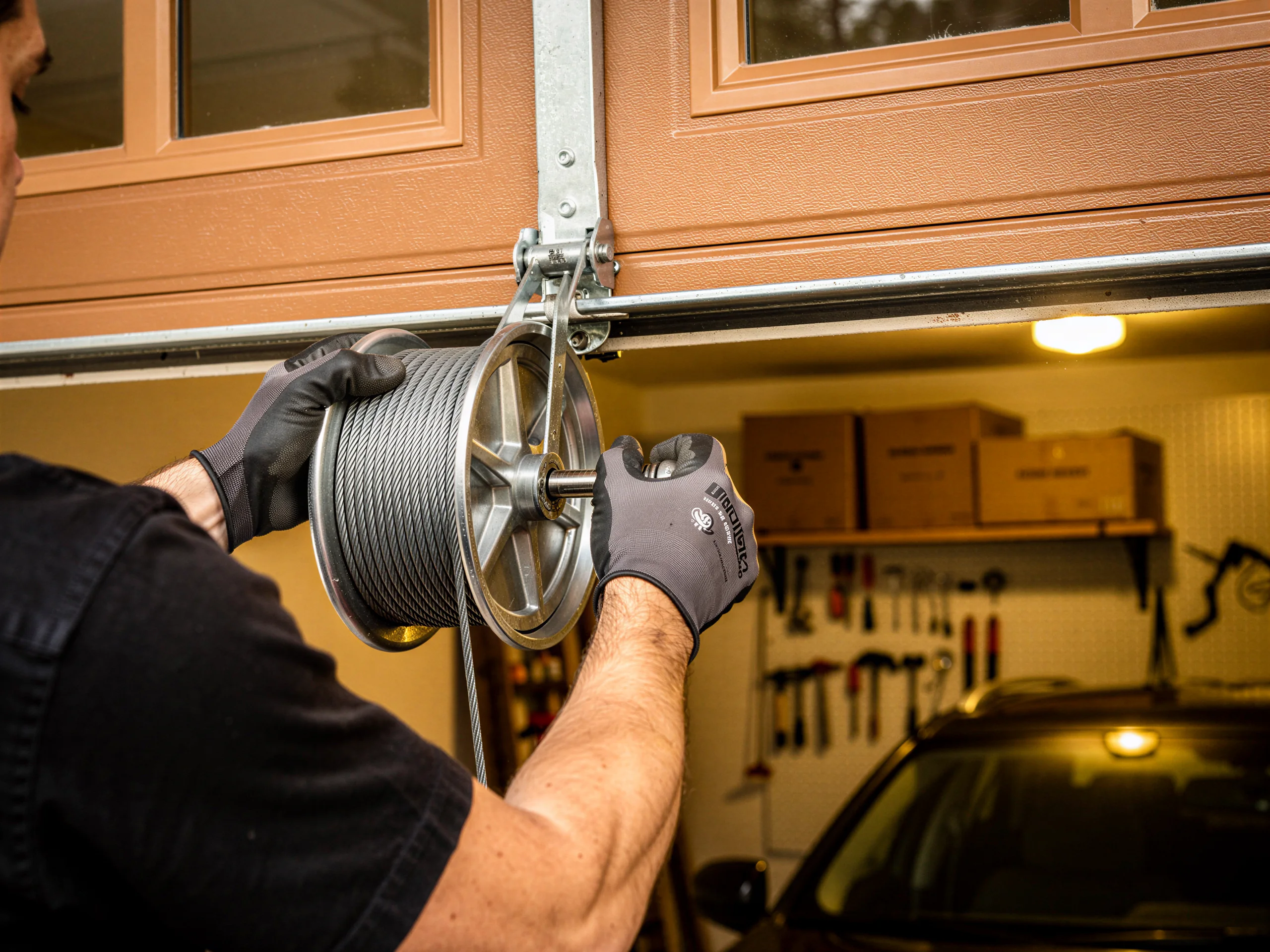
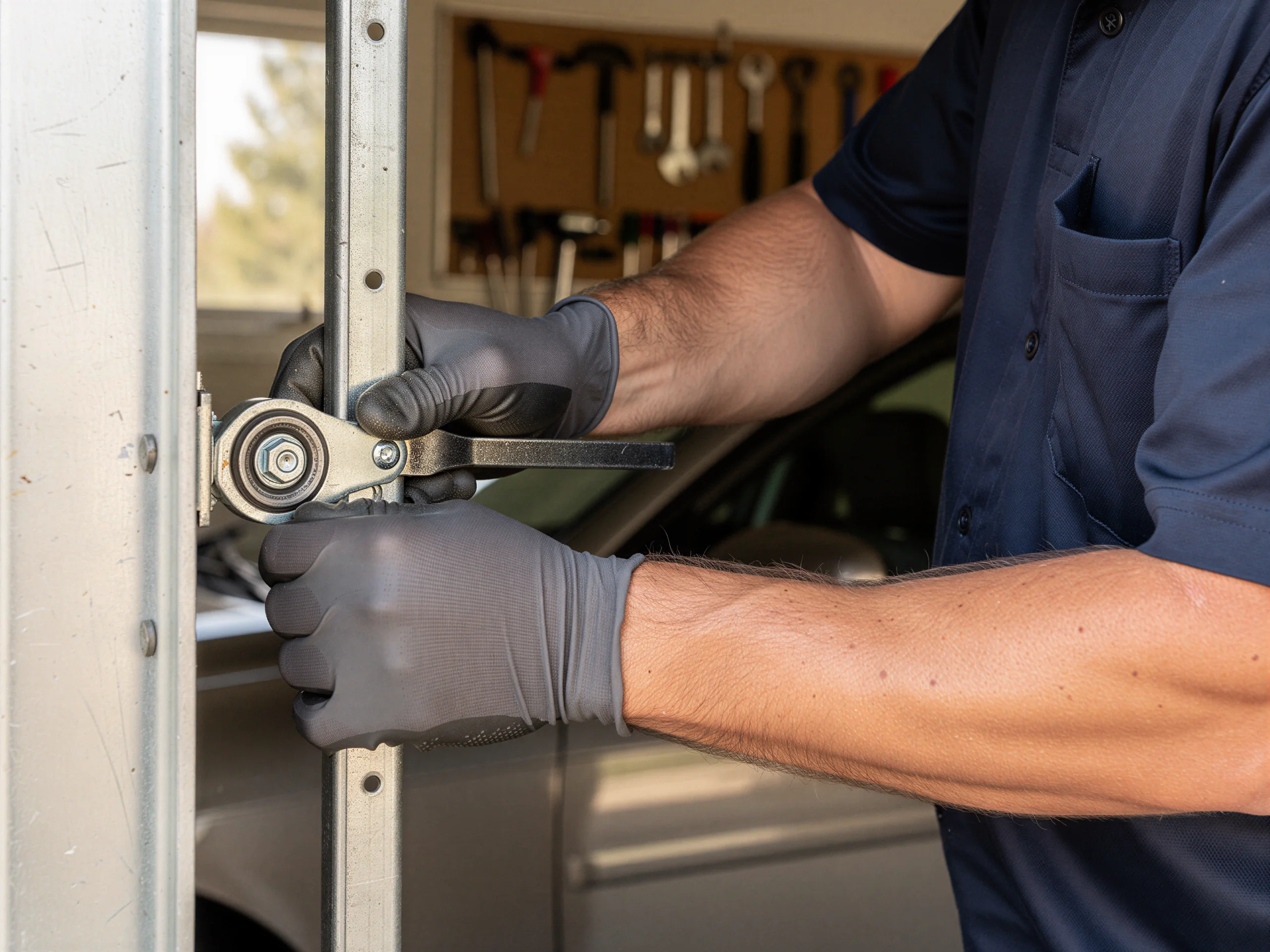
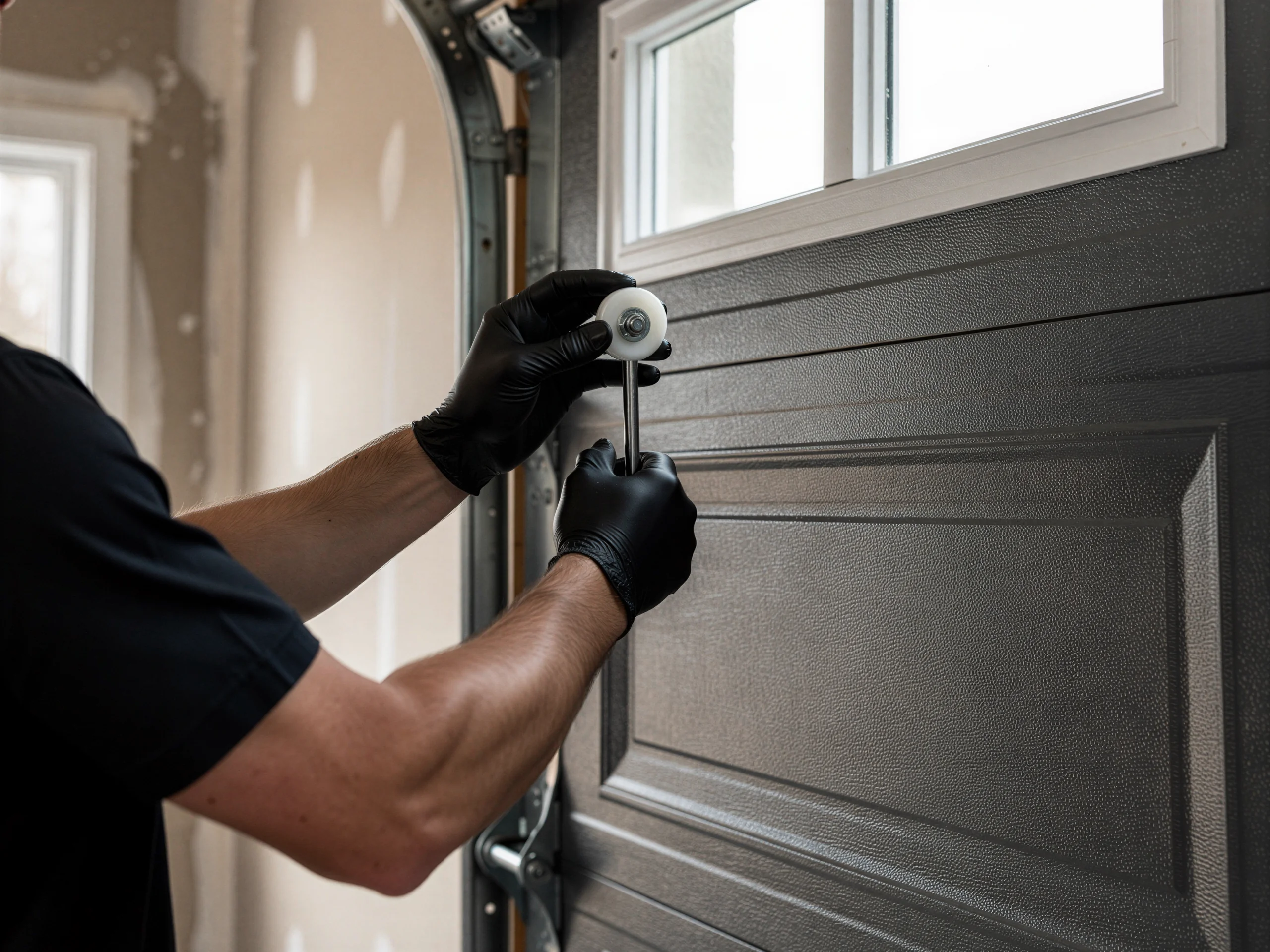
A technician in black gloves adjusts a metal bracket on a gray garage door.
Serving Stamford, CTBackground-checked techsHonest, upfront pricingFast local response

Timing

How Long It Takes

Most houses in this part of Riverside went up around 1963, a few years ahead of the 1968 median for the wider service area. That matters because doors from that build year almost always shipped with extension springs on single-track runs, not the torsion bar setups that came standard later.

Single-visit spring swaps

A straightforward spring swap on that kind of hardware is usually a single visit. Where it runs long is when the door has been retrofitted over the decades - a torsion conversion bolted onto framing that was never drilled for it, or an opener added in the 90s wired into brackets that don't match.

Tangled retrofit repairs

We can't promise a fixed window before we've seen the actual hardware, because a clean extension-spring job and a tangled retrofit are not the same call even if the symptom looks identical from the driveway.

Cold-severe seized springs

What we can say is that the service-area climate band is classified cold-severe, and cold metal behaves differently - springs seized by temperature swings sometimes need more time just to work loose before the real repair starts.

Booking

Getting It Booked In

We run out of Stamford, about 4 miles from Riverside, so this isn't a job with a local depot sitting around the corner - it's a scheduled visit from the shop.

  1. Spring type identification

    When you call, tell us the door's approximate age if you know it (1963 is a good bet for this stretch) and whether it's extension or torsion springs, since that changes what we load on the truck.

  2. Build-era job patterns

    Riverside sits in a smaller pocket of the service area - around 3,014 households - so we're not working off a generic city-wide job sheet, we're working off what actually goes wrong on doors from this build era.

  3. Photo before arrival

    If you don't know the spring type, a photo of the springs above the door is usually enough for us to figure it out before we arrive, which saves a second trip if a part needs to be swapped for the right size.

The repair

What the Fix Involves

On a 1963-era door, the repair usually starts at the extension springs - the long coiled springs running along the horizontal tracks rather than a torsion bar over the header.

Cones and pulley brackets

We check the cones, the safety cables (often missing entirely on original installs, since they weren't required back then), and the pulley brackets, which rust first in a cold-severe climate because they sit exposed at the top corners.

Reinforced header for conversions

If a torsion conversion was done at some point, we check whether the header was actually reinforced for it or just drilled through - a surprising number of older Riverside-area conversions skip that step. Track alignment gets checked too, since 60-year-old track brackets loosen in wood framing that's shrunk and shifted over the decades.

Replacement only when rusted

We don't replace a whole door section for a repair that a spring and a cable will fix; replacement only comes up if the panels themselves are rusted through or the door's been bent in a way that tracks can't correct.

On the truck

Parts We Carry

We carry common torsion spring sizes and standard extension springs on the truck, along with cables, rollers, and the hinges that fit mid-century steel doors.

Exact-match extension spring gaps

What we don't always have on hand is an exact-match extension spring for an original 1963 install if the door's never been touched - some of those coil diameters and wire gauges aren't what gets stocked today, and we may need to order the right size rather than force a close-enough substitute.

Mismatched spring tension risk

That's an honest gap, not a sales pitch: a mismatched spring on an old door puts uneven tension on brackets that are already 60 years old, and that's how a repair becomes a bigger job.

Full torsion upgrade demand

Given the household income in this part of the service area runs well above the broader area's median, we also see more owners opt for a full torsion upgrade rather than patching the original extension setup, and we stock the parts for that conversion too.

DIY or pro

Doing It Yourself

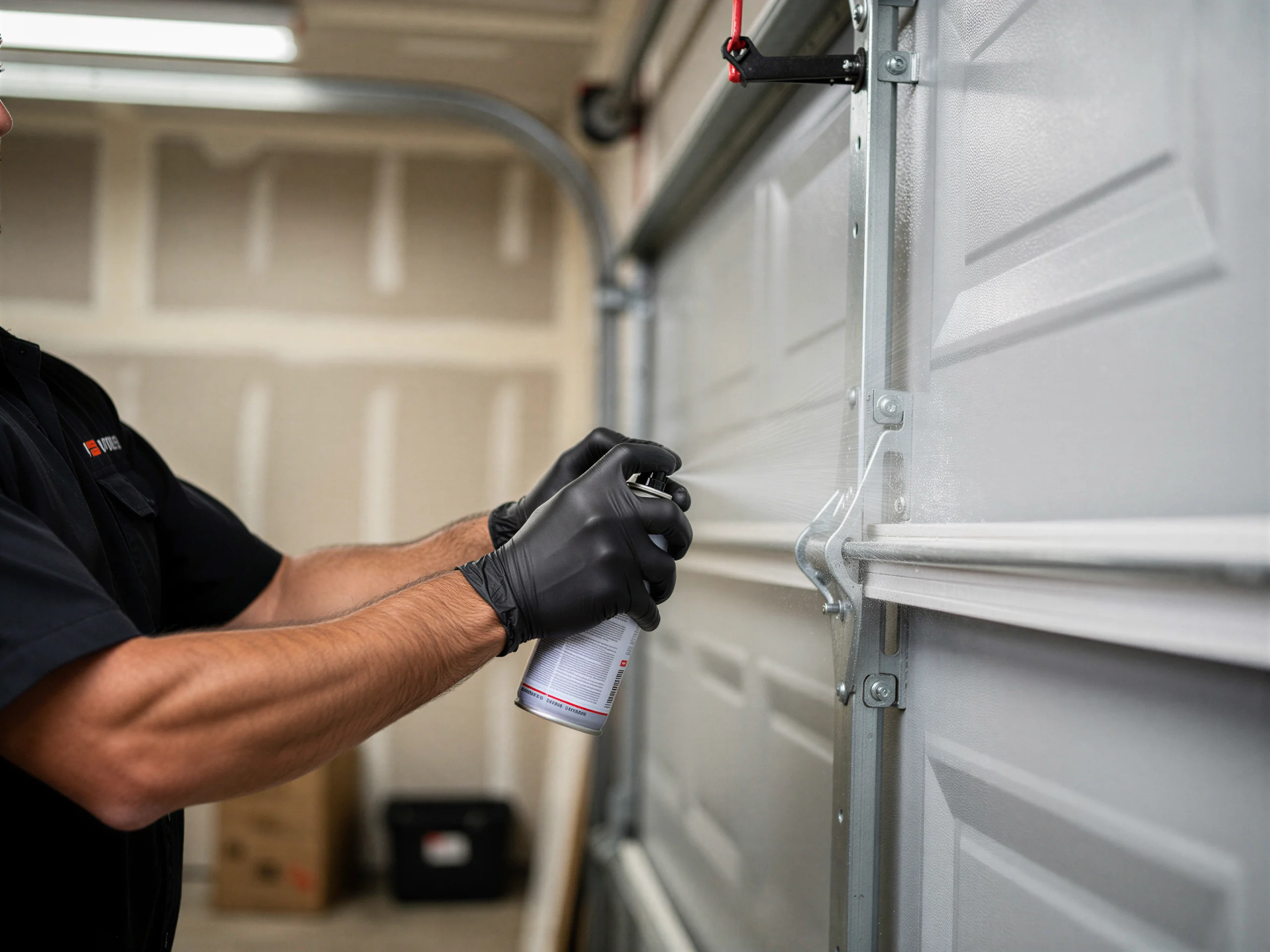
Checking rollers and tightening loose hinge bolts is reasonable homeowner work, and lubricating track and hinges with a garage-door-specific spray a couple times a year is worth doing on any door this age. What you shouldn't touch is the spring itself - extension or torsion, it doesn't matter, the stored tension in either one can cause real injury if it releases while you're working on it. On a 1963-built door, the other thing we'd flag is the cable at the bottom bracket: if it's frayed, the door can drop suddenly when you lift it, and that's not a wait-and-see repair. If the door feels heavier than it should, or makes a grinding noise on one side only, that's usually a track or roller issue rather than a spring issue - worth a look before assuming the worst.

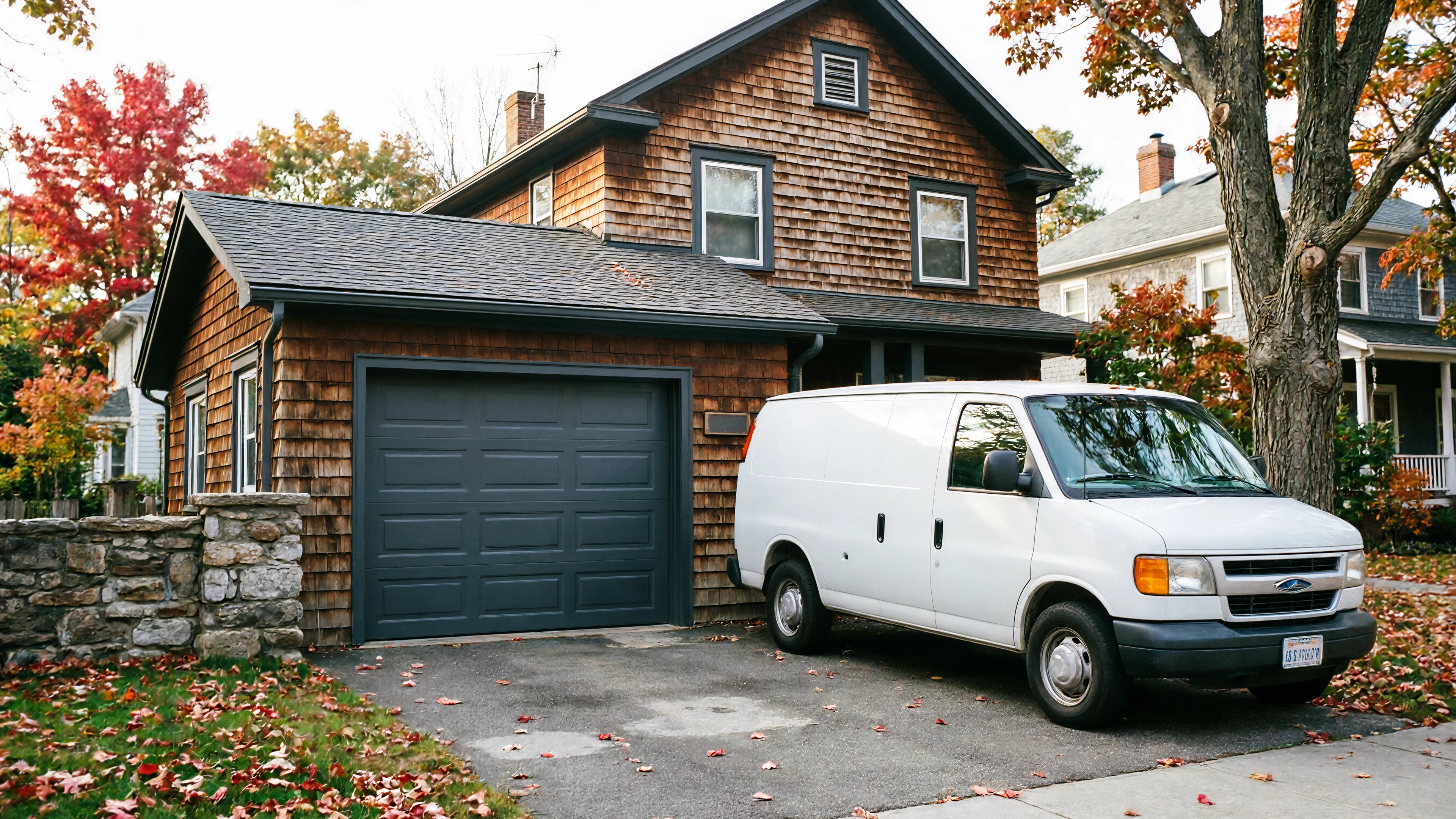
A white service van is parked in the driveway of a house with a dark gray garage door.

Watch-outs

Where This Job Goes Sideways

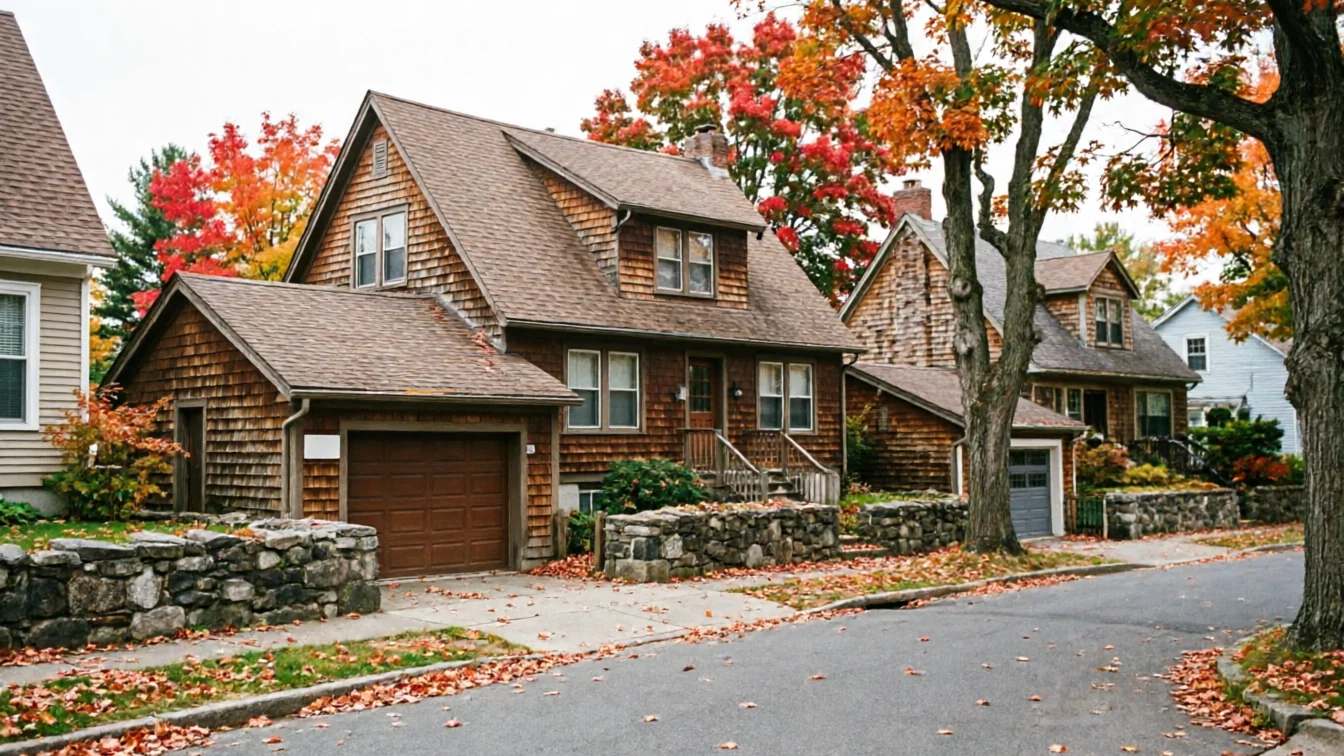
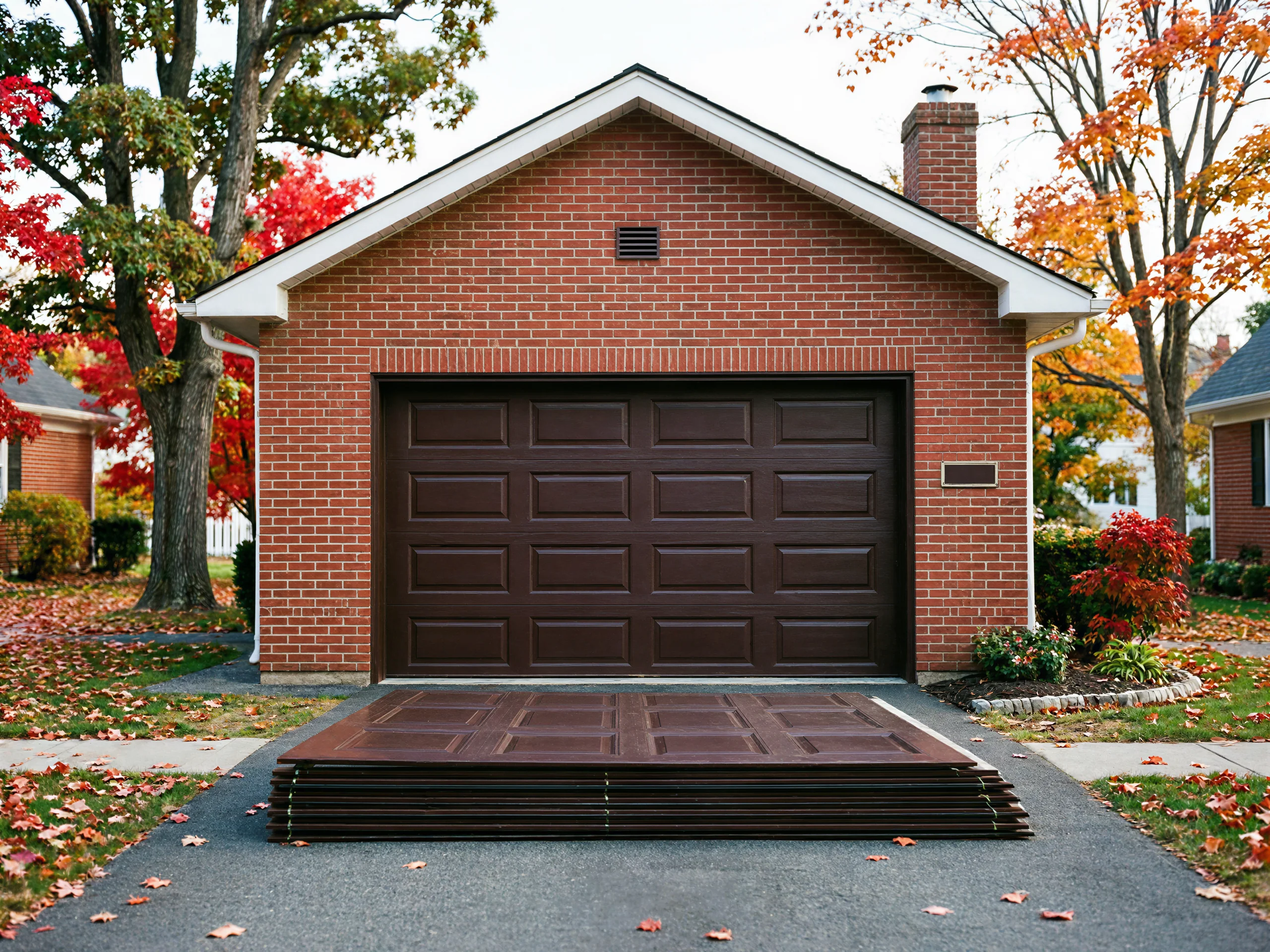
A brown house with a brown garage door and autumn leaves on the ground.

The most common surprise on doors from this build year is finding two generations of hardware stacked on each other - original 1963 track brackets holding a torsion bar that was added in the 80s or 90s, with neither set of hardware rated for what the other is doing. We also see rust seize the end bearing plates on original steel doors that were never weatherstripped properly, which in a cold-severe climate band means the plate has to be freed or replaced before anything else happens. Openers added later sometimes use travel limits set for a lighter original door, so after a spring replacement the opener's force settings need resetting too, or the door will reverse itself on the way down. None of this is unusual for houses from this era - it's just not visible until someone's actually standing in front of the hardware.

Questions

Common questions

Why does my door still have extension springs instead of a torsion bar?

Houses built around Riverside's 1963 median typically went up with extension springs along the horizontal tracks, since torsion bar setups weren't standard on this kind of door yet. If yours hasn't been converted, that's original hardware, not a defect - it just needs service specific to that spring type rather than a torsion-bar repair.

Do you keep a truck stocked near Riverside?

No - we run out of Stamford, about 4 miles away, and come out for scheduled jobs. There's no local depot in Riverside itself, so we ask for the door's age and spring type up front to load the right parts before we drive over.

Is it worth converting my old extension springs to torsion?

It depends on the door and how much life the original hardware has left. We see more of that upgrade in this part of the service area given the higher household incomes here, but if the existing extension setup and brackets are sound, a straightforward spring replacement is often the more practical call.

Why does cold weather affect my spring so much?

This area falls in a cold-severe climate band, and metal springs lose some flexibility as temperatures drop, which puts more strain on them during the coldest stretches. On a spring that's already decades old, that extra strain is often what finally snaps it.

Ready when you are

Need a garage door sorted in Stamford?

Stamford Garage Door Pros repairs and installs garage doors, springs and openers in Stamford, CT and the surrounding area.

CallGet a quote