
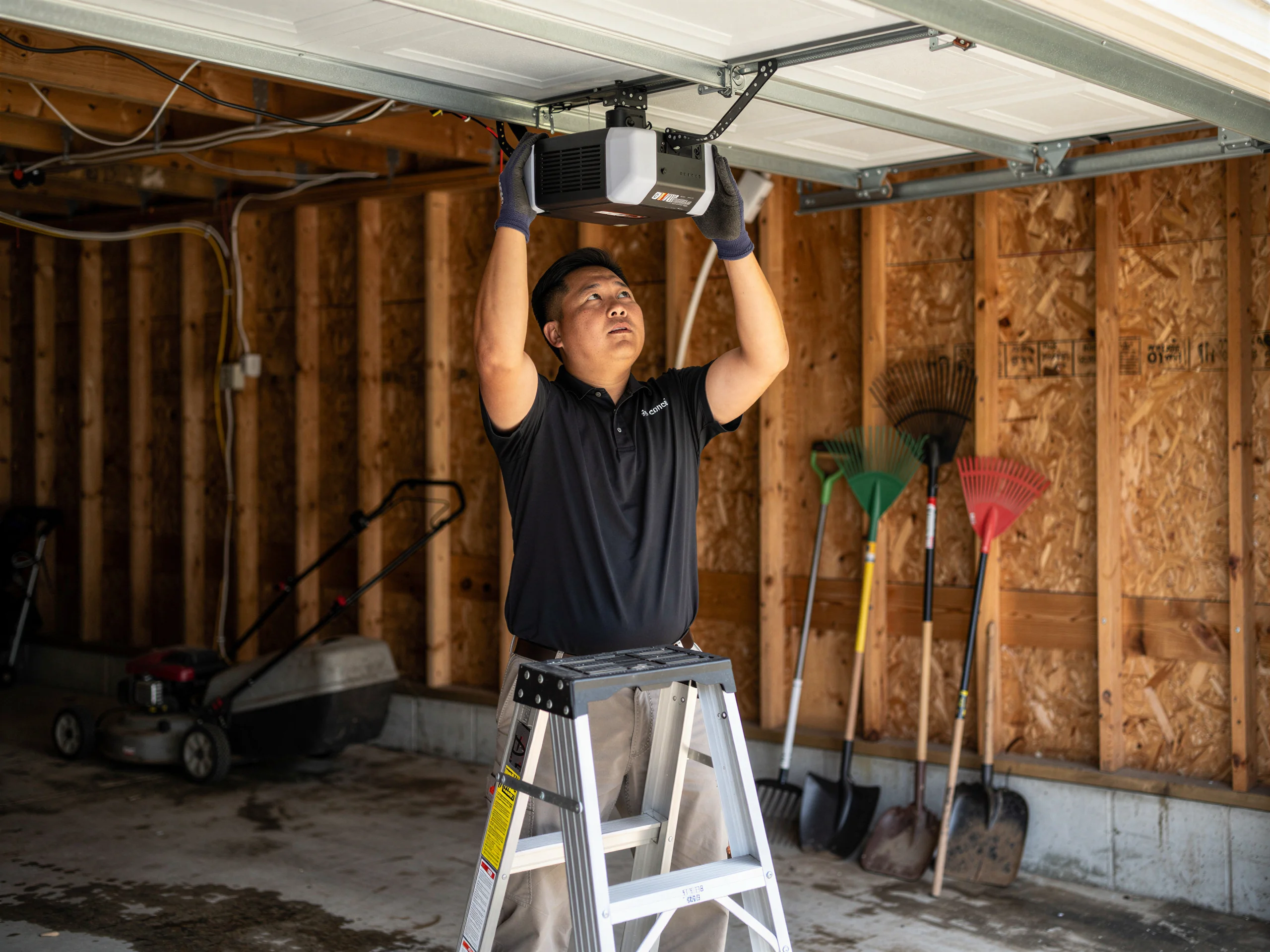
Opener and track assembly
At this income level, most homeowners here aren't debating whether to fix a $40 cable versus living with a door that won't open - they're deciding whether the whole opener and track assembly is due for replacement anyway.
Riverside, Stamford
Snapped or frayed garage door cable in Riverside, CT? We travel 4 miles from Stamford to fix 1960s-era hardware most shops don't stock anymore.
Popular Services
Timing
Riverside's median household income sits at $250,001, well above the $183,112 median across the rest of our service area. That number matters more than people think when a cable snaps.
At this income level, most homeowners here aren't debating whether to fix a $40 cable versus living with a door that won't open - they're deciding whether the whole opener and track assembly is due for replacement anyway.
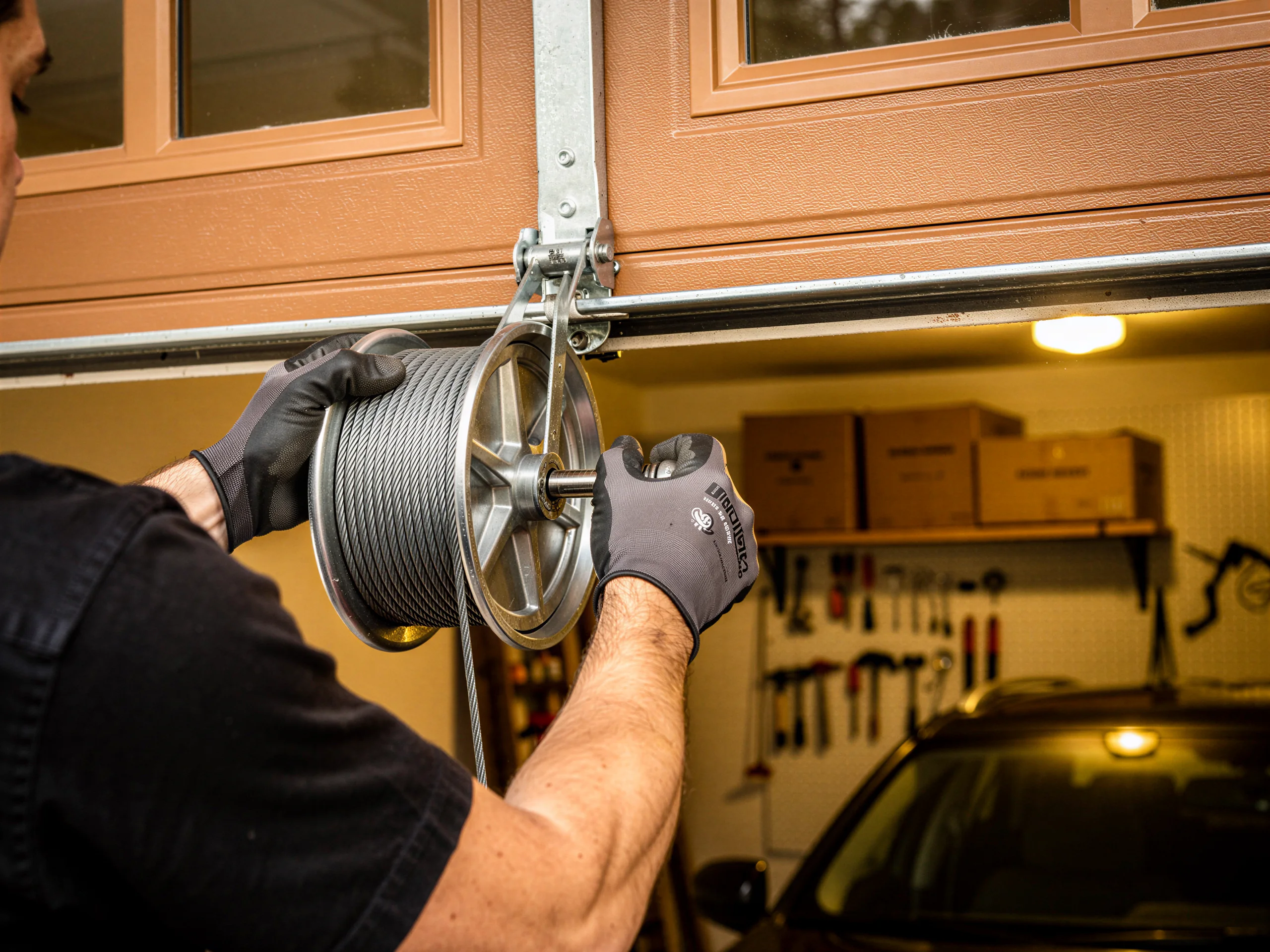
A cable job itself, once a tech is on site, usually runs under an hour: pull the broken cable, check the drum for wear, rewind and tension the new one, test the balance. What takes longer is diagnosing why it broke.
On a house built in 1963, the cable rarely fails on its own - it's usually a symptom of a drum that's grooved wrong or a spring that's been overdue for replacement for years.
Booking
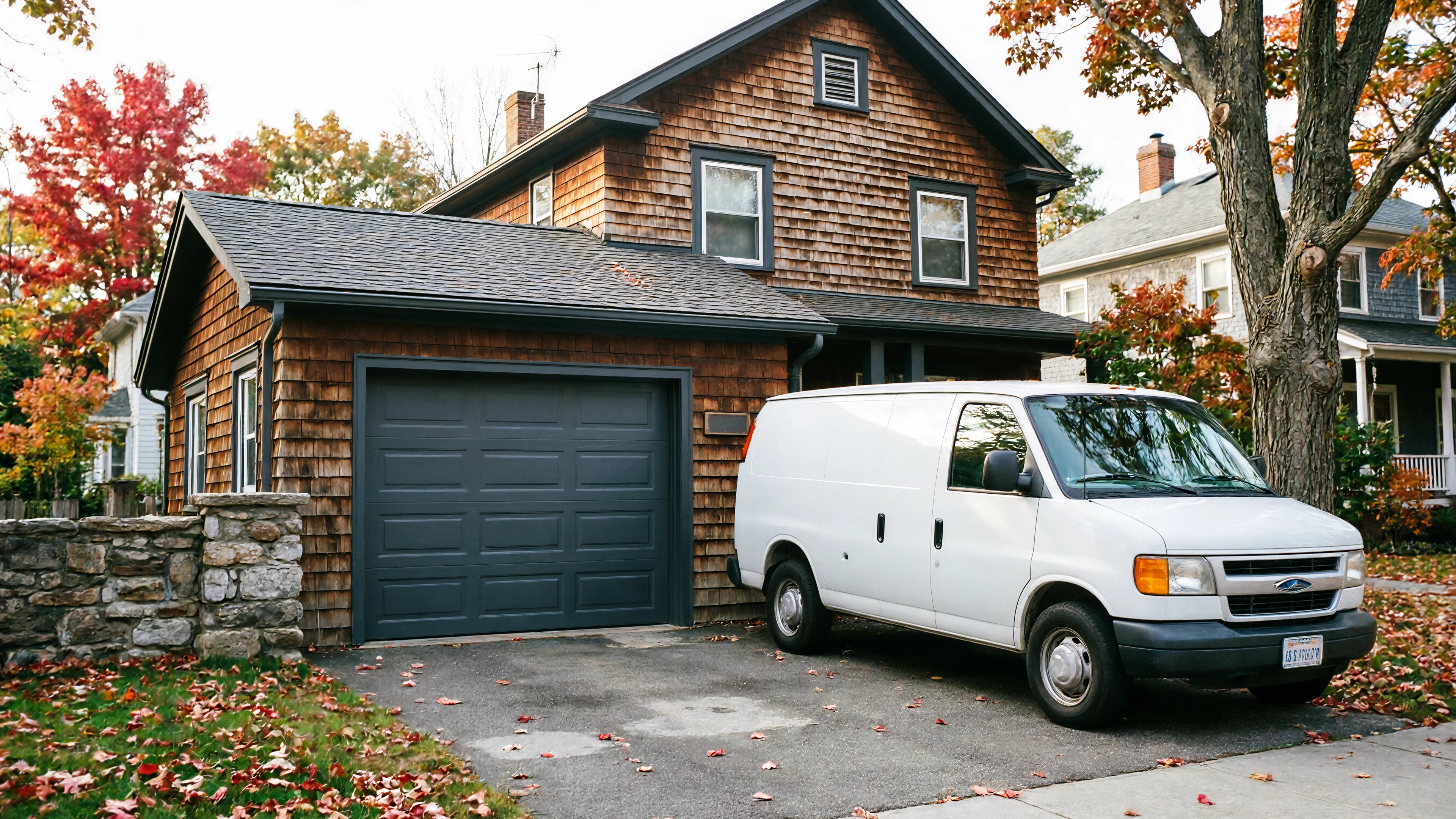
We run out of Stamford, about 4 miles from Riverside, so there's no local branch or drop-in counter here - a call gets a truck scheduled, not a same-hour promise. When you call, have the door's age and whether it's a one-car or double door ready; cable gauge and drum size differ between the two, and guessing wrong means a second trip. If the door won't move at all and the cable is visibly wound around the bottom bracket or a spring, don't force the opener - that's how a cable whips loose and takes a finger or a knuckle with it. Shut the opener off at the wall and wait.
The repair
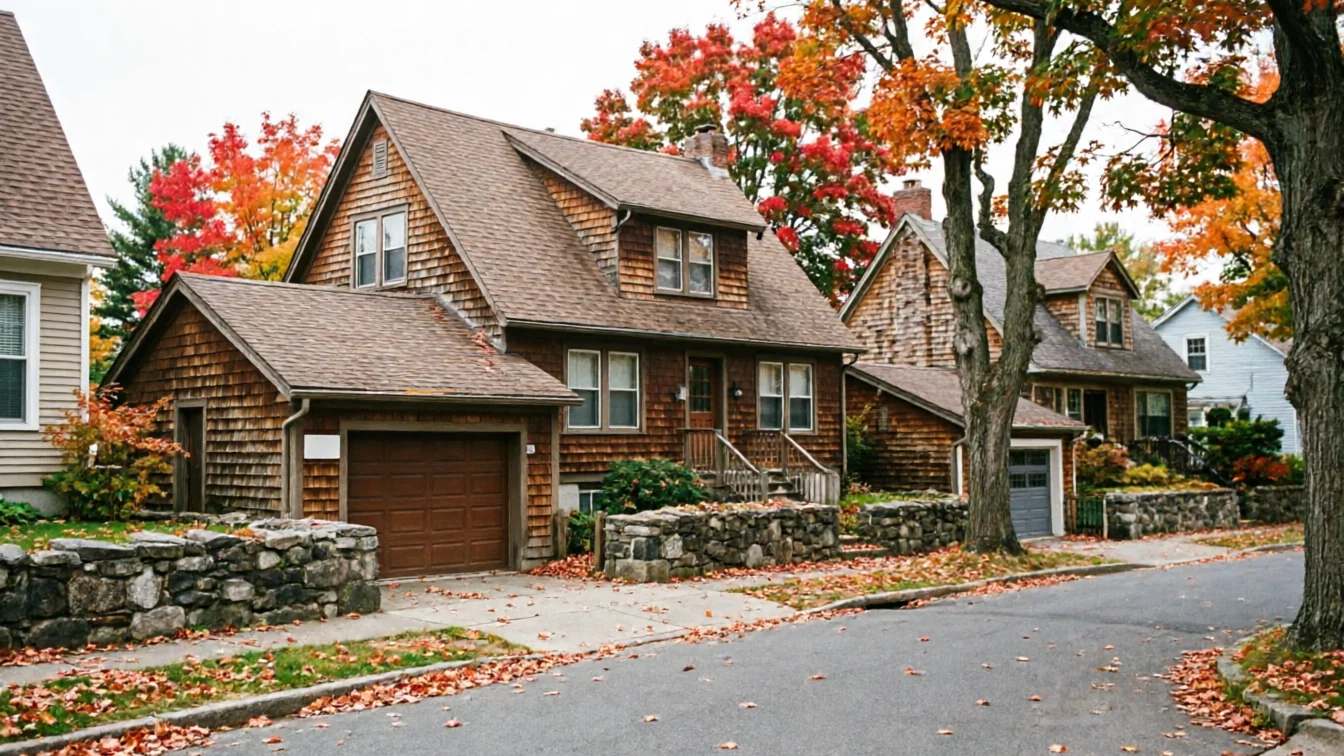
Riverside's housing stock, like most of the broader area, runs 1955 to 1984 with a median build year of 1968 - Riverside itself lands right around 1963, early in that window.
Doors from this era were usually installed with extension springs and a simple two-cable lift system rather than the torsion setups common in newer construction. That means when a cable goes, it's often paired with worn pulleys or a sagging extension spring stretcher that's been flexing the same way for decades.
The fix is replacing the cable to match the original gauge, checking the pulley for a flat spot, and rebalancing the door so the new cable isn't carrying more load than the spring intended.
On the truck
We stock standard galvanized aircraft cable in the sizes that fit both torsion and extension setups, along with matching drums, pulleys, and end fittings. What we don't keep on the truck is anything custom - a handful of older one-piece doors in this area used proprietary track hardware that nobody manufactures anymore, and if your cable failure traces back to that kind of bracket, we may need to order the part before we can finish the job. That's the one honest limit here: we can get almost any cable moving again same visit, but a bent or obsolete bracket sometimes means a second trip.
DIY or pro
A garage door under tension is not a DIY cable job, full stop. The spring - whether torsion or extension - stores enough force to break bones if it lets go while you're working near it.
If you're comfortable and want to do the prep work before we arrive, you can safely check whether the cable is frayed versus fully snapped, note whether it happened on the left or right side, and clear anything stored near the tracks.
But winding a new cable onto a loaded drum without the right bar and clamps is one of the more common ways people end up in an ER rather than back in their garage by dinner.
Watch-outs
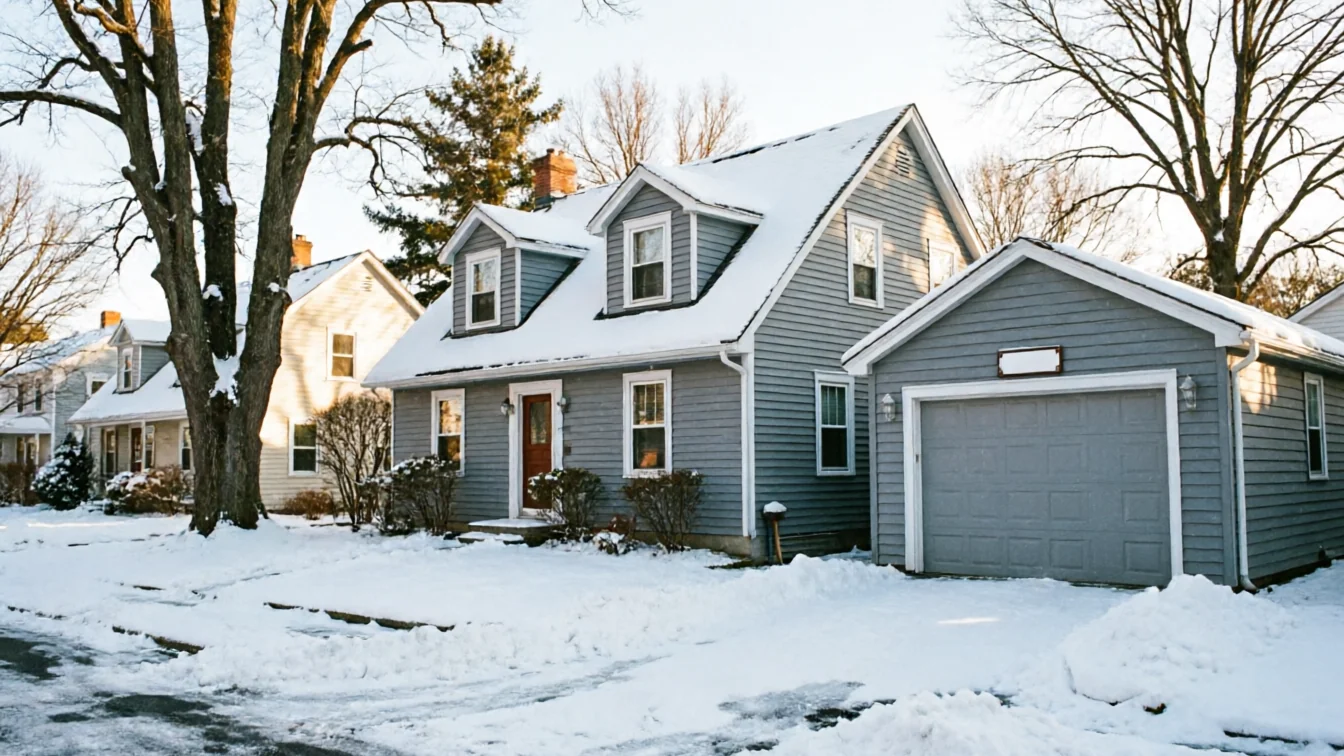
The failure that turns a cable repair into something bigger is when the cable snapped because the door came off its rollers first, or because a track bracket pulled loose from the jamb. On houses from the early 1960s, wood jambs around the opening have sometimes softened over the years, and a bracket that's been working loose quietly for a while will eventually let the whole side of the door shift, which is what actually shears the cable. If that's what we find, the cable itself is the cheap part - the real fix is re-securing the track to solid wood, and on a door old enough to be original to a 1963 build, that's often the point where replacing the door outright costs less than chasing one more repair on hardware this age.
Questions
It's not something to ignore, but it's rarely a true emergency unless the door is stuck halfway open or a car is trapped inside. Shut off the opener at the wall, don't force the door by hand, and call to get a truck scheduled from Stamford - most cable jobs are a same-visit fix once a tech is on site.
A fresh service doesn't reset the age of the pulleys or drum. On houses from the early 1960s like much of Riverside, the cable is often the first part to show wear even after other hardware was recently adjusted, especially if the original drum has a worn groove that frays new cable faster.
Yes, standard cable, drum, and pulley sizes for both extension and torsion setups are stocked on the truck. The exception is proprietary track hardware used on some older one-piece doors, which sometimes has to be ordered before we can finish that specific job.
On a door original to a 1960s build, that depends on what we find once it's open. If the cable failure is isolated, repair is the cheaper call. If the track bracket or jamb has shifted, replacing the door often costs less over time than chasing repeated repairs on hardware that age.
Explore more
Ready when you are
Stamford Garage Door Pros repairs and installs garage doors, springs and openers in Stamford, CT and the surrounding area.