Fast garage door repair in StamfordCall (475) 203-3812

Ridgefield, Stamford

Garage Door Service for Ridgefield's Early-1970s Doors

Ridgefield homes mostly went up in the early 1970s, which means steel sectional doors on short torsion bars. We service them from Stamford, 17 miles out.

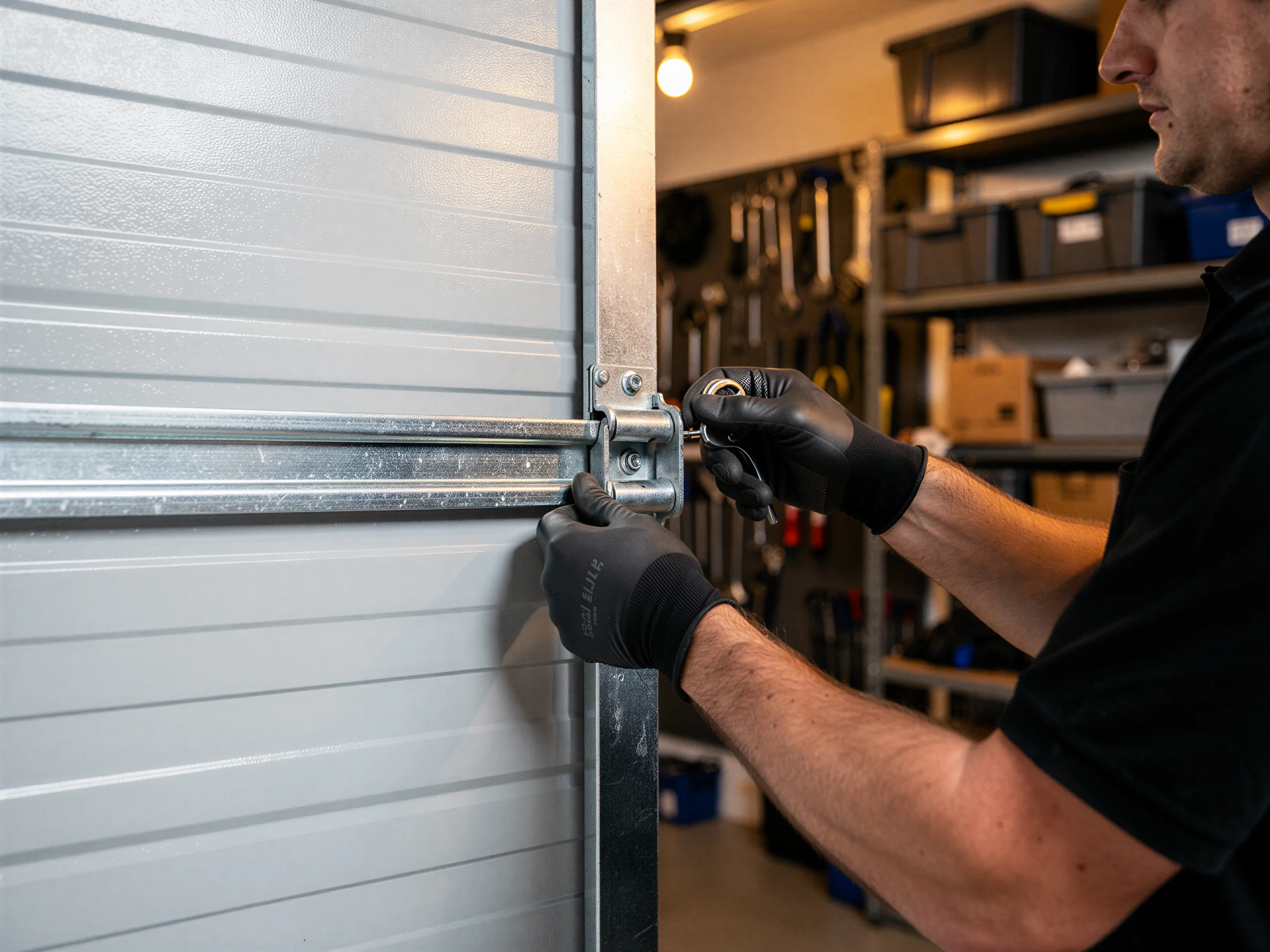
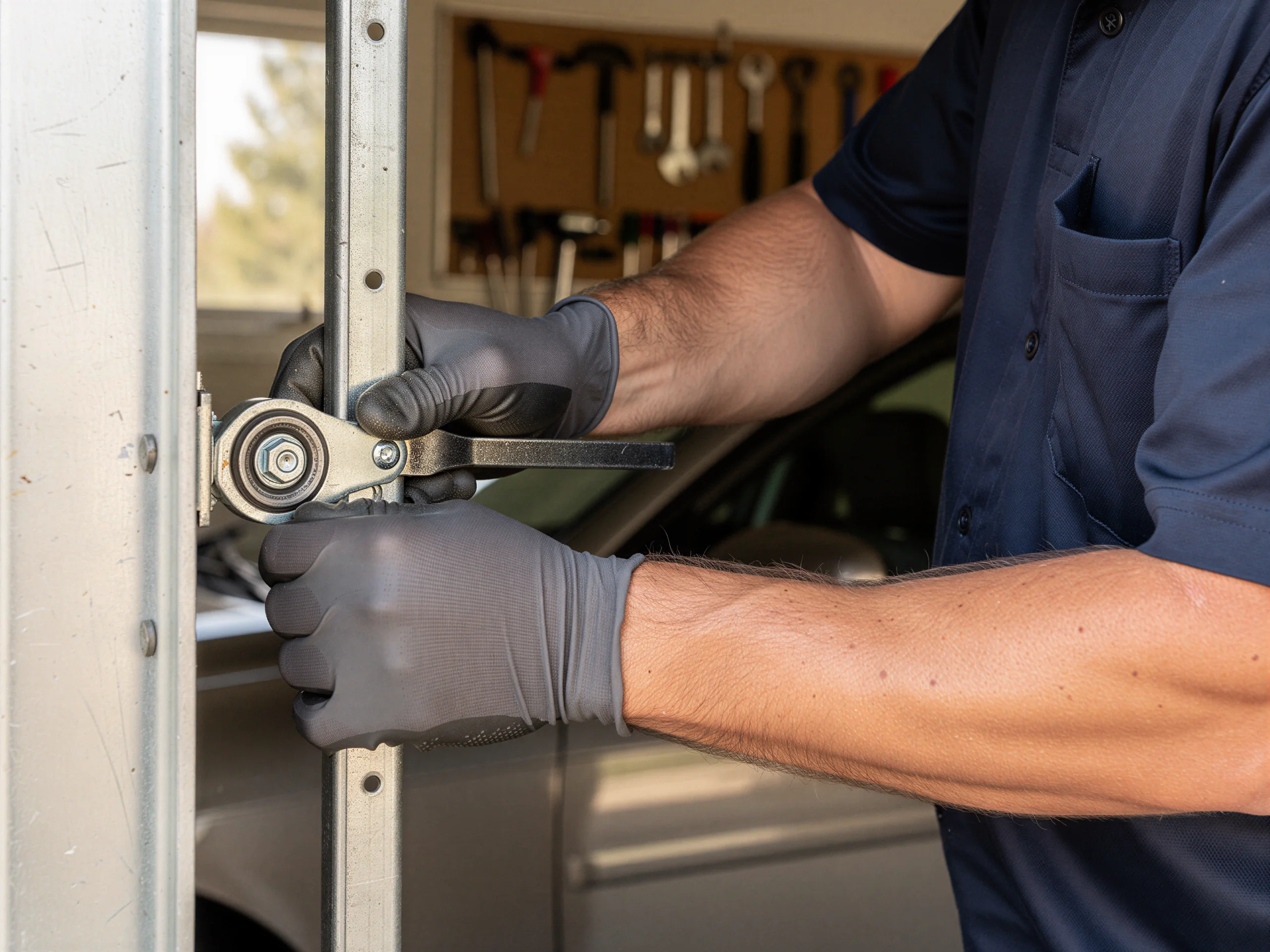
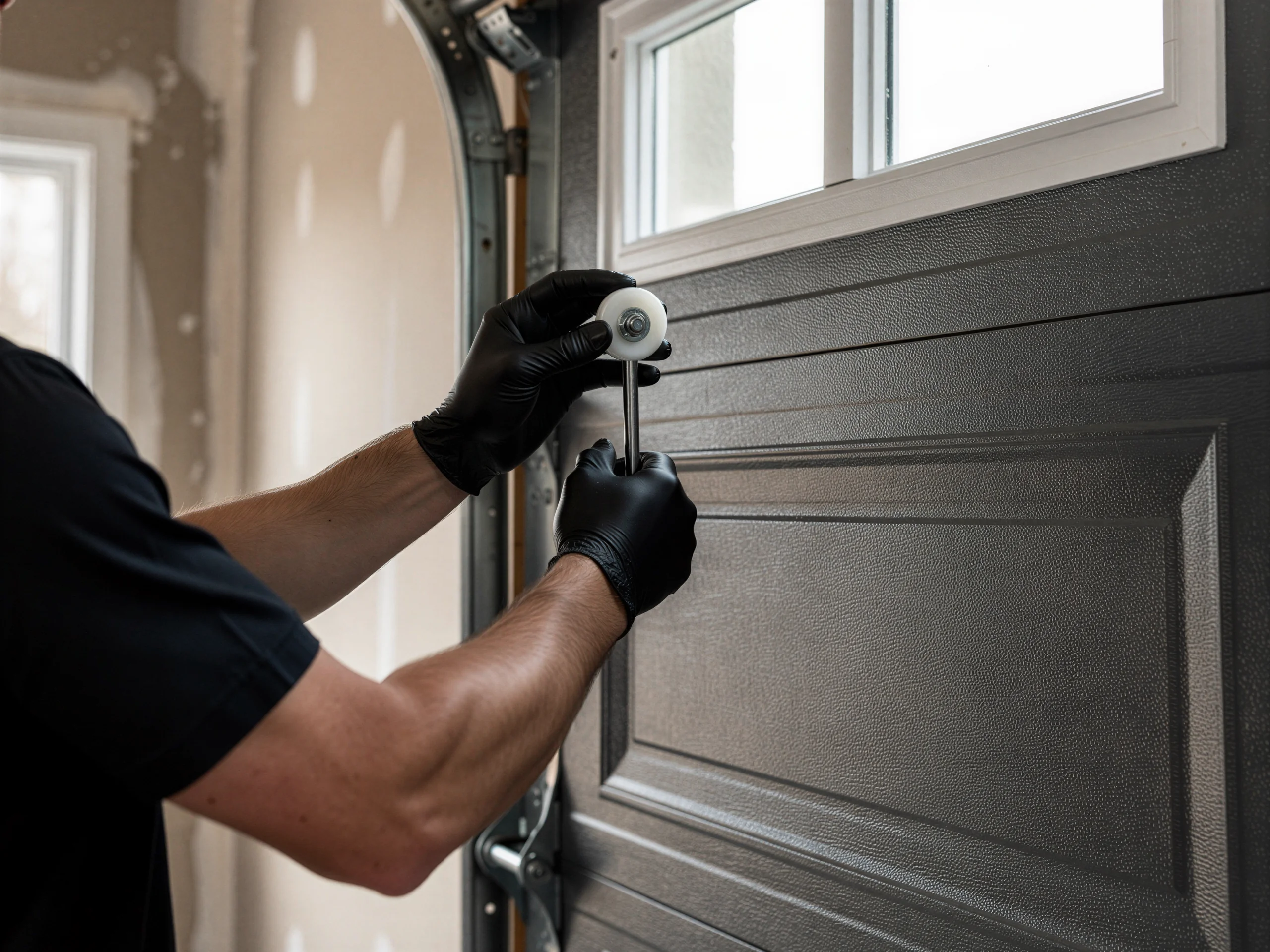
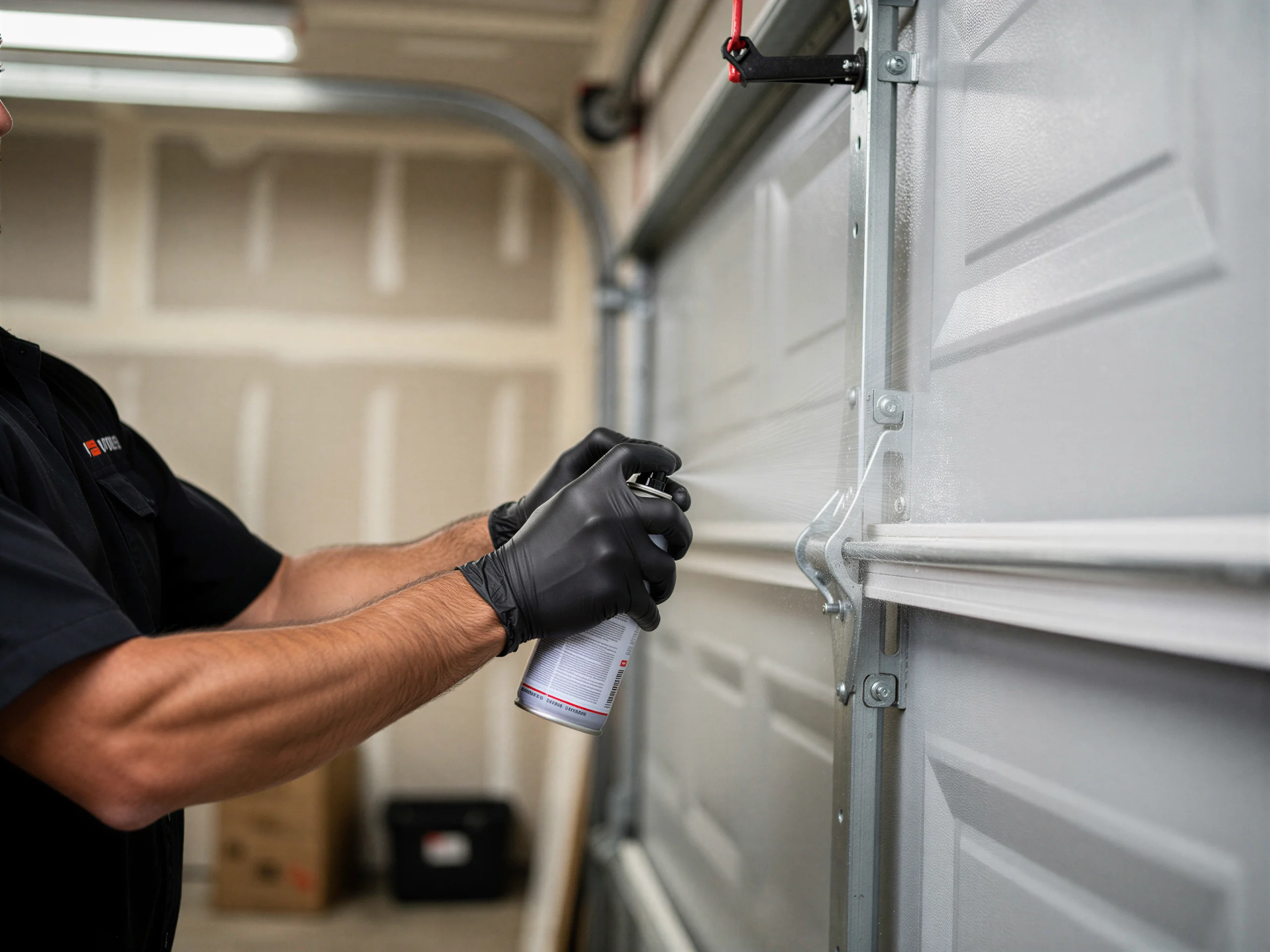
A technician in black gloves sprays lubricant on a white garage door hinge.
Serving Stamford, CTBackground-checked techsHonest, upfront pricingFast local response

Warning signs

How It Shows Up

Most of the garage doors we see in Ridgefield are steel sectional units installed when the house went up, with a median build year around 1973.

Later-wave housing stock

That puts them in the same wave as the rest of the service area's 1955-1984 housing stock, but on the later end of it, which matters for hardware. By the early 70s, builders had mostly shifted away from the old wood panel doors toward lighter steel sections, usually 16x7 for a two-car opening, hung on short torsion bars rather than the long extension spring setups you'd find on an older house.

Winding cone wear

The fault pattern follows the hardware. A torsion spring on a bar that short wears out its winding cones faster, and the original rollers - steel, not nylon - start grinding in the track well before the door itself looks tired.

Grind and shudder warning

You'll hear it before you see it: a grind or a shudder on the way up, then one day the door just sits there, heavy, because the spring gave out and the opener can't lift a 16x7 door on dead springs no matter how new the opener is. Owners often think it's the opener. It almost never is.

The repair

What the Fix Involves

On a door this old, the job is rarely one part. We're replacing a torsion spring sized to the original 1973 bar, which means matching wire gauge and wind to hardware that hasn't been made the same way in decades - we carry stock sized for that era, not guessing on-site.

  1. Steel roller replacement timing

    Steel rollers from this period are almost always due regardless of why we got called; if one's worn enough to make noise, the rest on that track are close behind, and swapping just the noisy one is a callback waiting to happen.

  2. Stiffened torsion bearing grease

    The region sits in a cold-climate band, and on an unheated garage that cold stiffens the old grease in the torsion bearing and the track, which is part of why these doors seem to fail more in the first hard cold snap than in July.

  3. Bearing plate checks

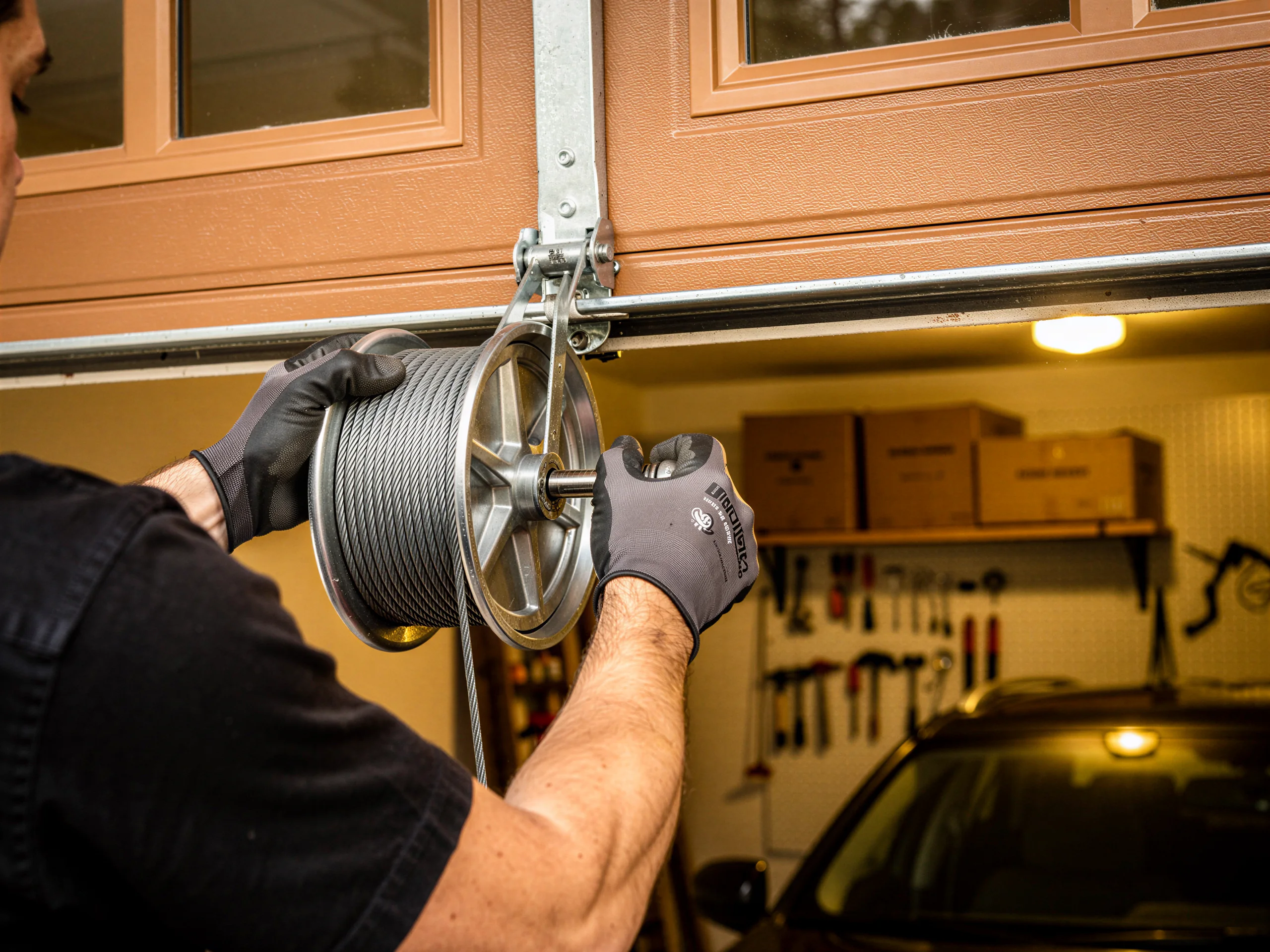
    We check the bearing plates and the cable drums at the same time, because on a door this age they're original parts under the same load for fifty years. What we won't do is fix a spring and leave original cables that are fraying - that's a second job inside a year, and it costs the homeowner more than doing it once.

Pricing

What It Costs

We don't publish a flat number here because the job on a 1973 door depends on what else the spring takes down with it - cables, rollers, the bearing plate - and we won't quote blind over the phone on hardware we haven't put a hand on. What we can tell you is the math behind it: household income across the service area runs well above the national median, and Ridgefield's own household income sits near $168,810, which is part of why full torsion and roller replacement on these doors tends to make more financial sense here than it does in a lot of towns - the repair pays for itself against a door that still has real years left in the panels. A door panel itself, if it's dented or rusted through, is a different conversation; steel from this era doesn't match today's standard sizes exactly, so panel replacement sometimes means a full door rather than one section.

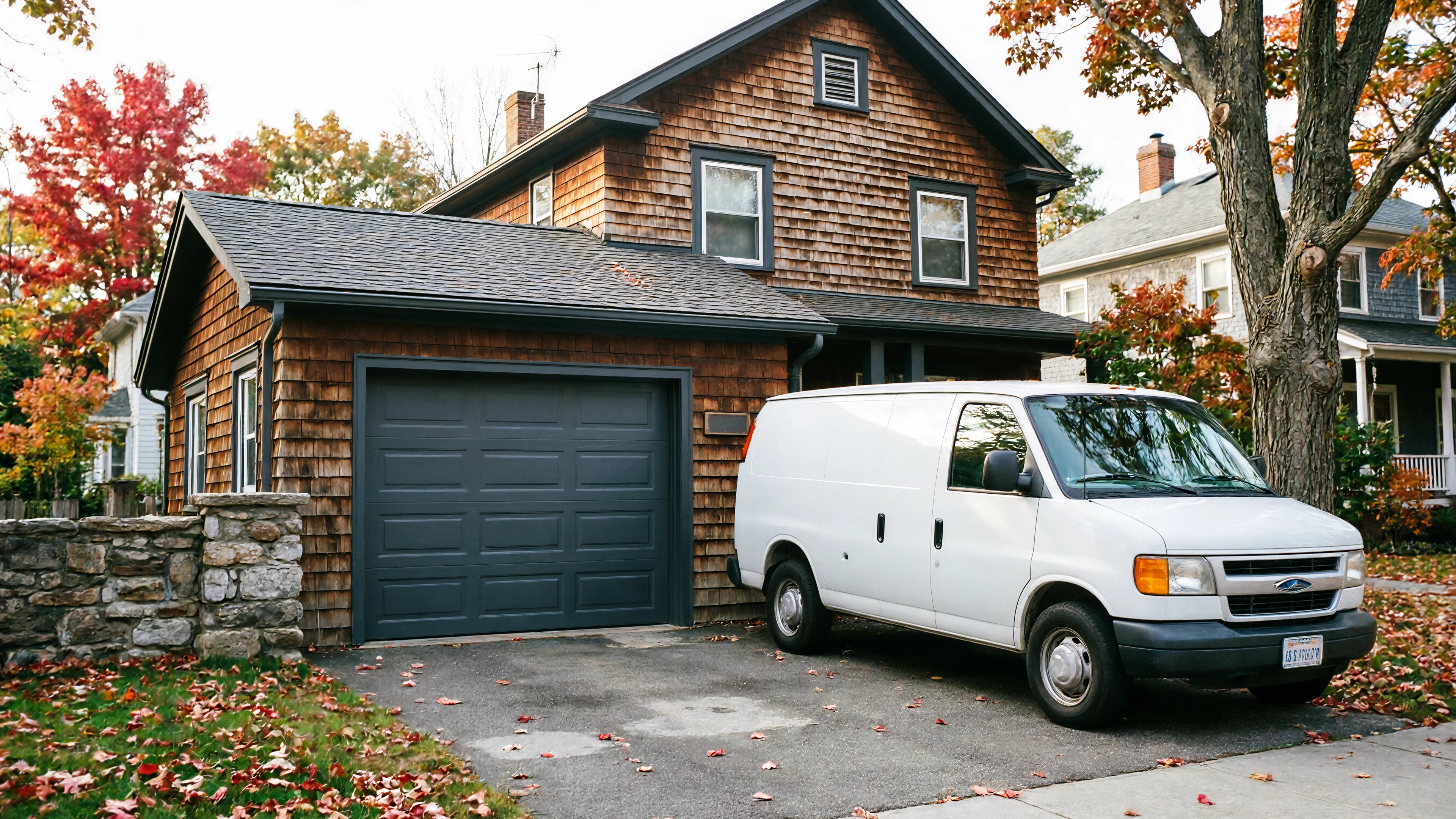
A white service van is parked in the driveway of a house with a dark gray garage door.

Timing

How Long It Takes

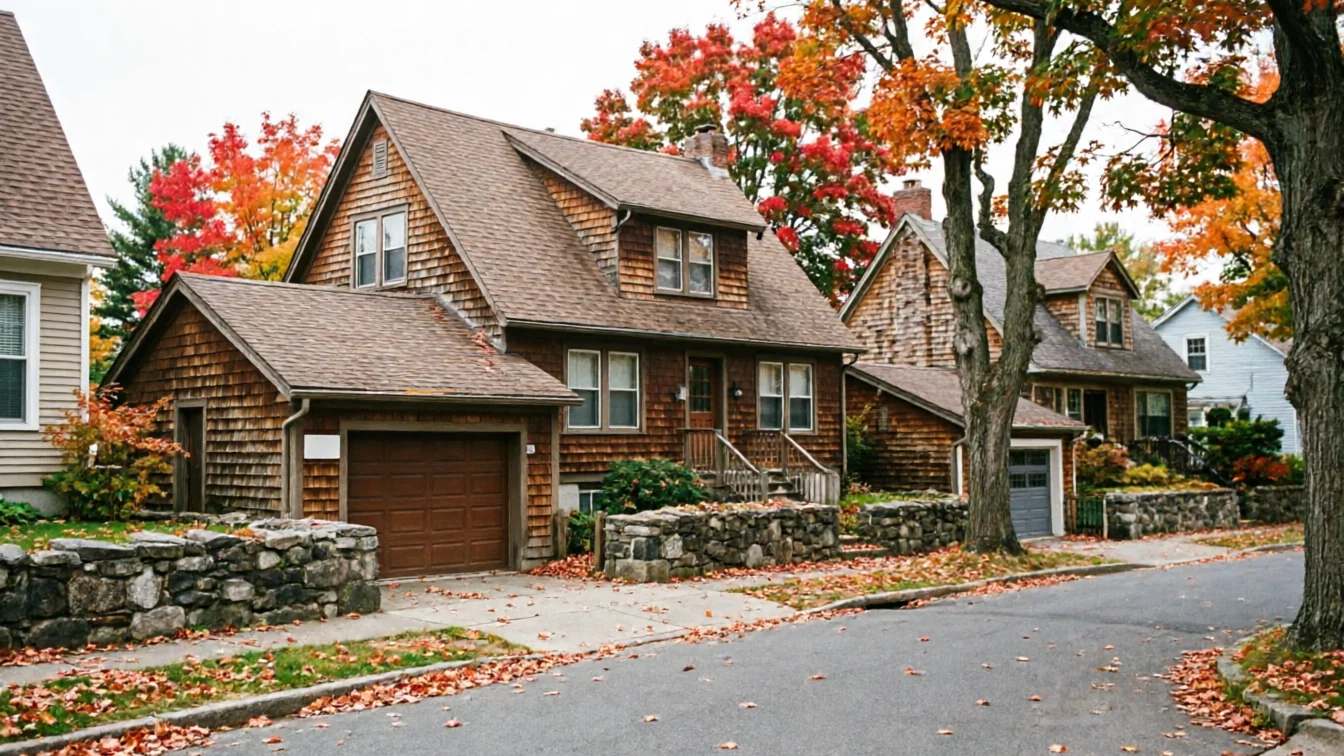
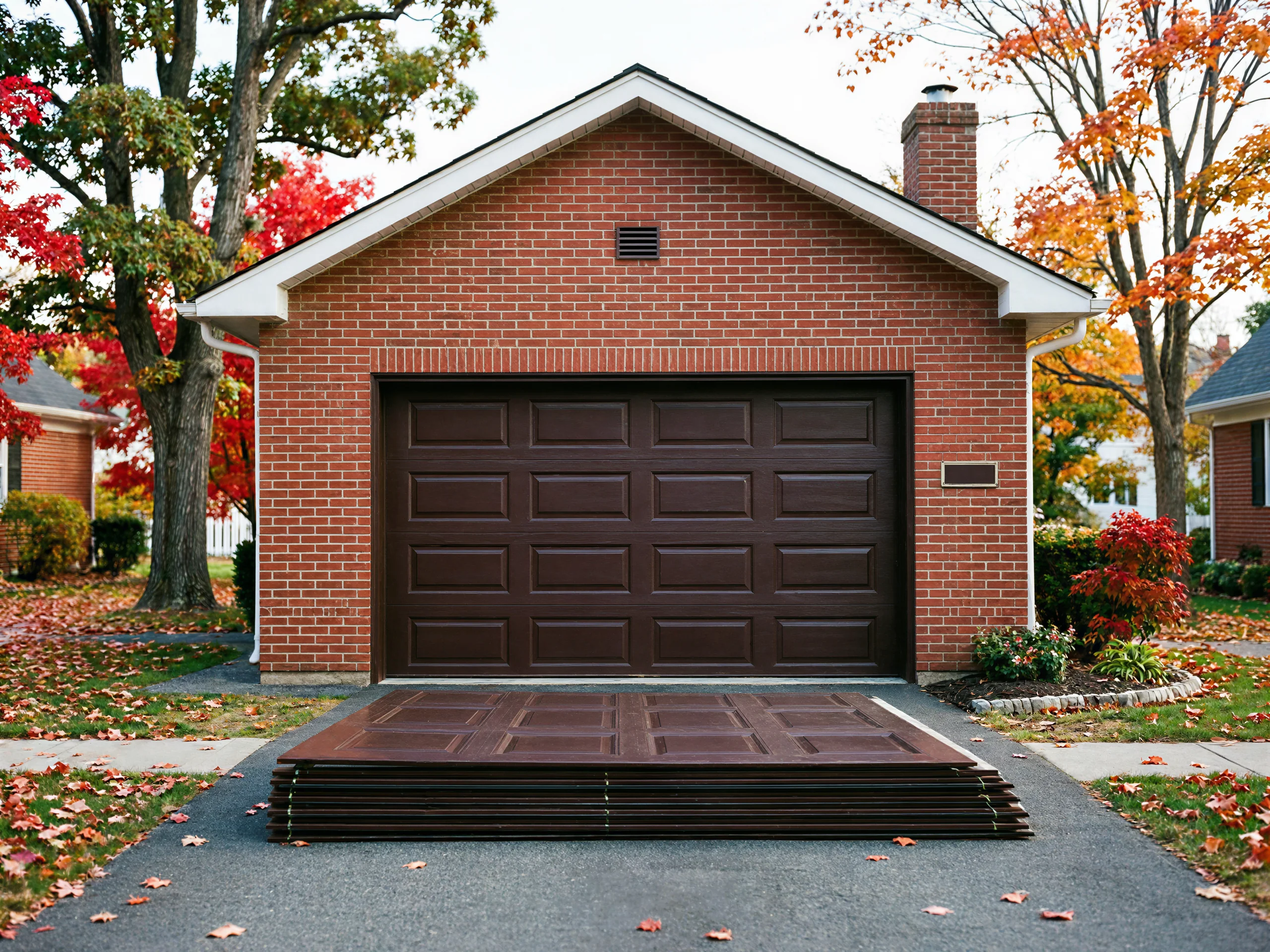
A brown house with a brown garage door and autumn leaves on the ground.

Ridgefield runs about 17 miles from our Stamford base, so the drive is part of the job, not a side note - we schedule the appointment with that built in rather than promising a window we can't hold from that distance. Once we're on-site, a straight torsion spring and roller job on a 16x7 door is usually done the same visit; we carry spring stock for the sizes common to this era's hardware. Where it runs longer is when the cable drums or the bearing plate turn out to be seized from age, which we won't know for certain until the door's open and we can see the bar. Parts that aren't in standard stock - an odd-width panel, a discontinued track profile - can add a lead time of a few days, and we'll tell you that on-site, not after you've waited for a truck that was never coming that day.

Questions

Common questions

Why does my garage door spring keep failing when it's not that old?

If the house dates to the early 1970s like most of Ridgefield, the spring itself may be original or a prior replacement on the same short torsion bar. These bars see more wind cycles per inch than older long-bar setups, and cold stiffens the lubricant further. A spring replaced once already can still be due again sooner than you'd expect on a door this age.

Do you have a branch in Ridgefield?

No. We run out of Stamford and drive to Ridgefield, about 17 miles each way. We schedule the trip into the appointment rather than quoting a response time we can't back up from that distance, and we bring stock sized for the torsion hardware common to this town's housing era.

Is it worth replacing just the spring or the whole door?

On most 1973-era steel sectional doors, the panels outlast the hardware, so a spring and roller job is the right call. If the panels themselves are dented, rusted through, or no longer a stock size, we'll tell you straight that a full door replacement is cheaper long-run than chasing one mismatched panel.

Ready when you are

Need a garage door sorted in Stamford?

Stamford Garage Door Pros repairs and installs garage doors, springs and openers in Stamford, CT and the surrounding area.

CallGet a quote