Fast garage door repair in StamfordCall (475) 203-3812

Old Greenwich, Stamford

Roller Replacement for Old Greenwich Garage Doors

Worn rollers on Old Greenwich's 1960s-era garage doors bind and jump track. Stamford Garage Door Pros replaces them with steel or nylon rollers sized to the door.

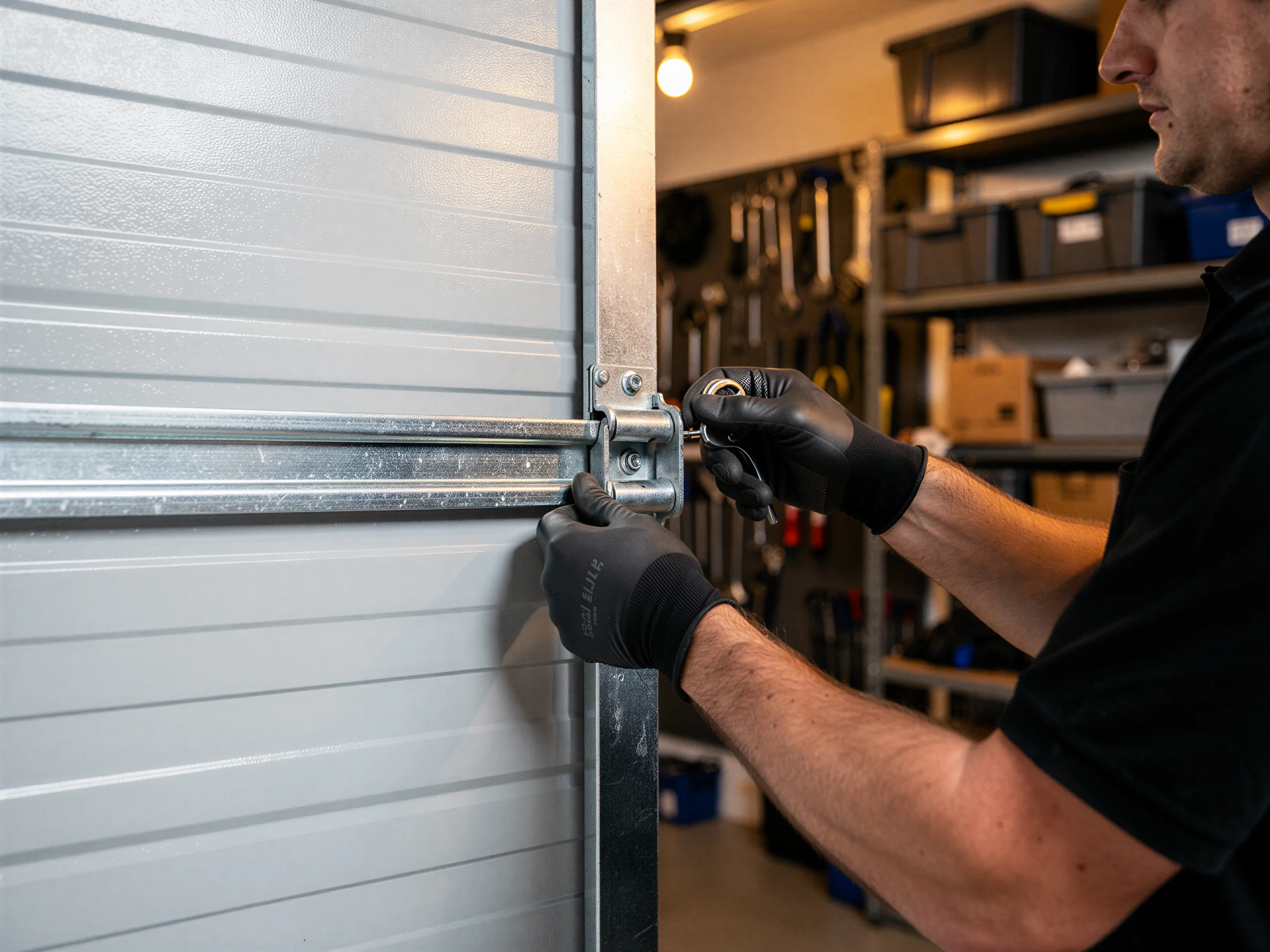
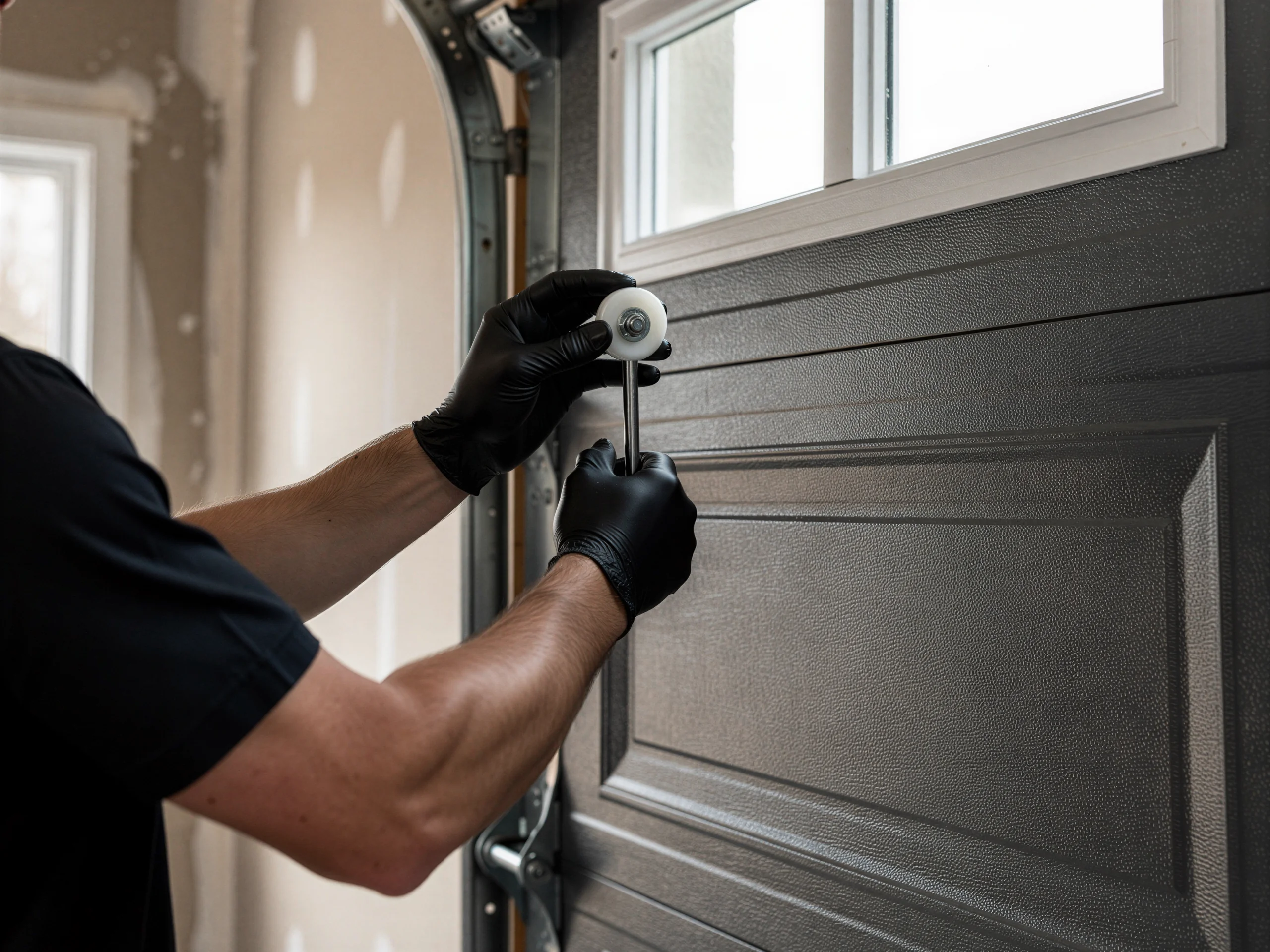
A technician wearing black gloves installs a roller on a dark gray garage door.
Serving Stamford, CTBackground-checked techsHonest, upfront pricingFast local response

Timing

How Long It Takes

Most roller jobs on an Old Greenwich door run under two hours once the truck is on site, since this is a single-system repair, not a full teardown. Homes in this part of the service area went up mostly in the 1960s and 70s, with a median build year around 1967, so the doors are single-layer steel or early sandwich-panel construction on steel track that hasn't been swapped since the house was built. Swapping ten or twelve rollers and checking the track alignment doesn't take long on its own. What adds time is what you find underneath: a track bent from decades of a dragging roller, or hinges worn oval from the same metal-on-metal contact. We're traveling from Stamford, about four miles, so factor that into when the truck shows up rather than how long the work itself takes once we're there.

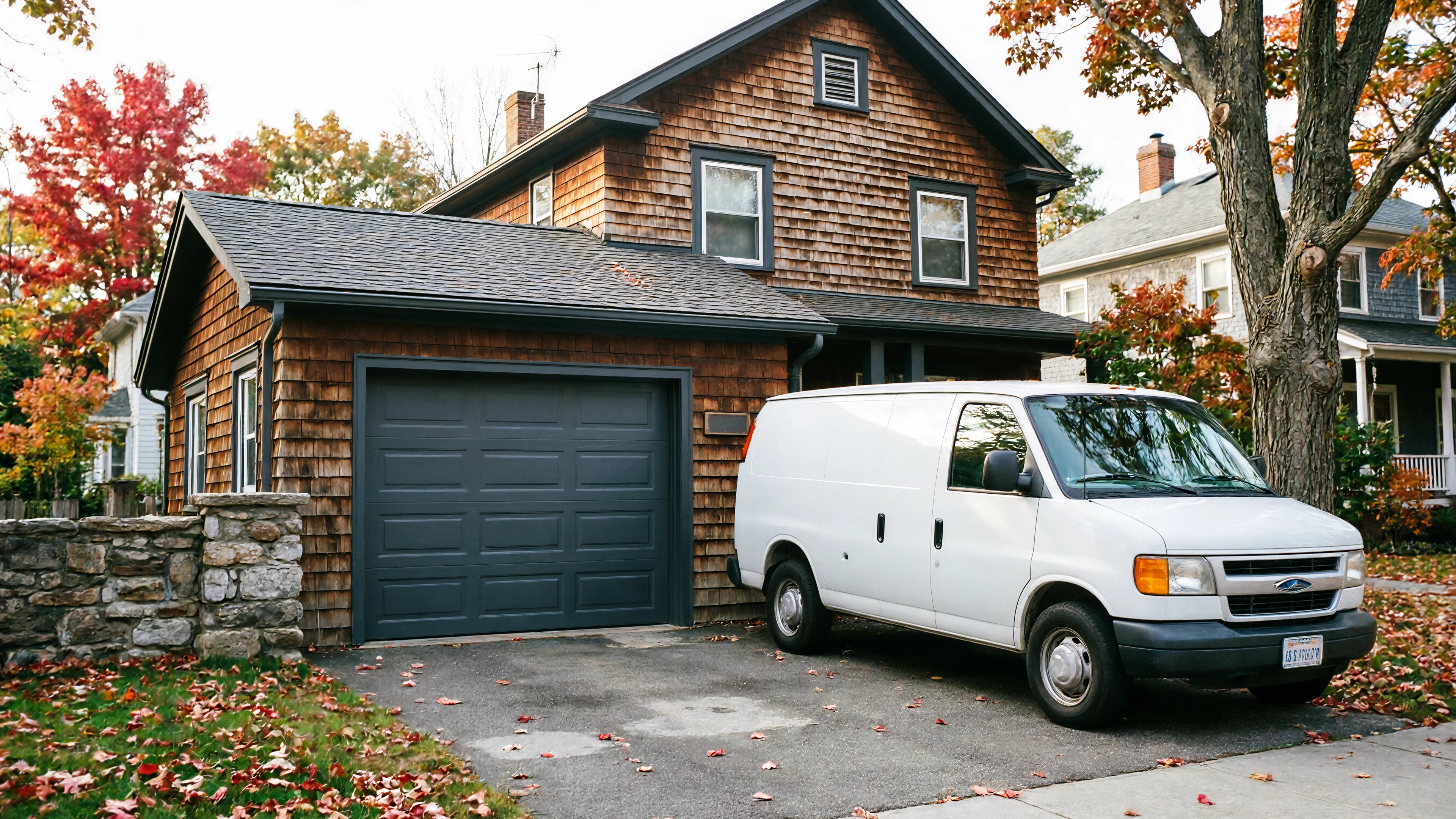
A white service van is parked in the driveway of a house with a dark gray garage door.

The repair

What the Fix Involves

We pull the old rollers off their brackets, check the stems and bearings for play, and look at where the roller rode in the track - a groove worn into one side of the channel tells us the door's been off-center for a while.

Roller seat tightness check

On a door this old the track itself is often original, narrower-gauge steel than what gets installed today, so we check it still holds the roller tight before putting new ones in. If the stem is bent or the bracket is cracked from years of a seized roller grinding against it, that gets replaced too, not just the roller.

Manual run before opener

We re-set the track spacing, run the door up and down by hand before the opener touches it, and listen - a quiet door tells you the job's done right, not just done.

DIY or pro

Doing It Yourself

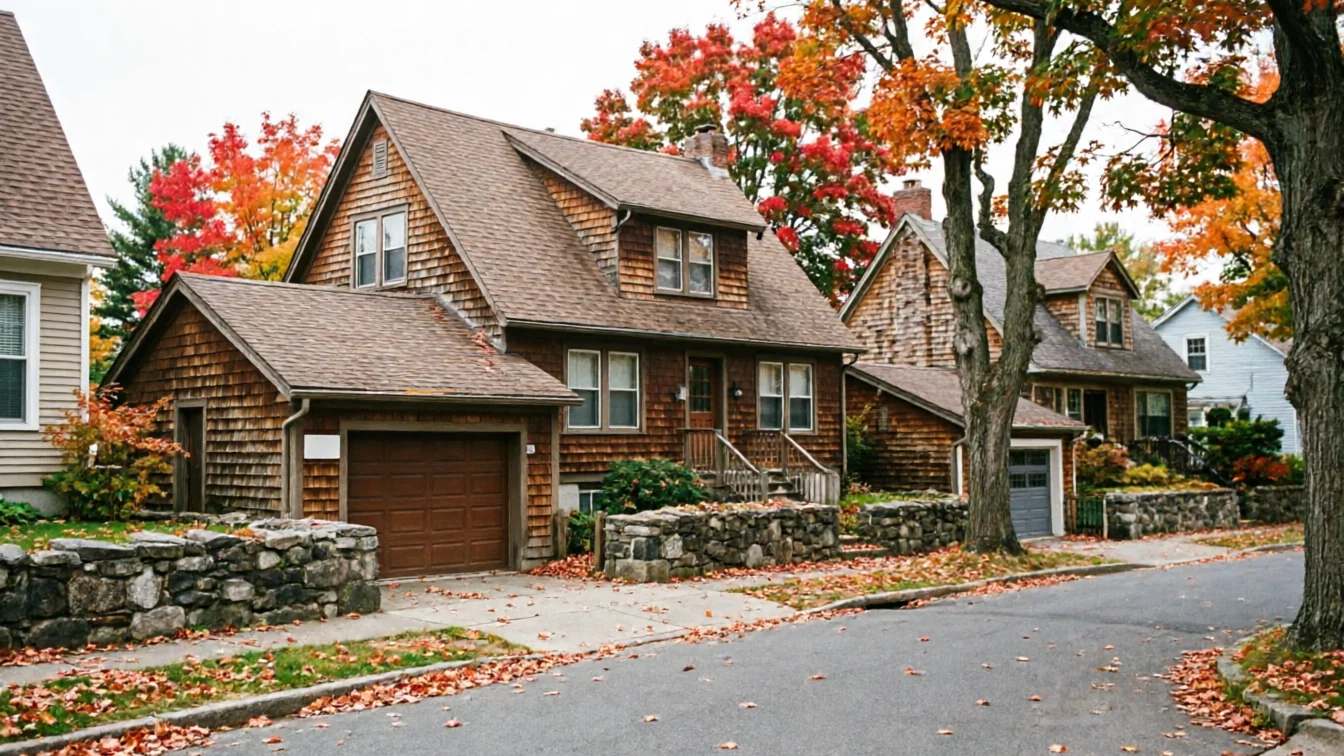
A brown house with a brown garage door and autumn leaves on the ground.

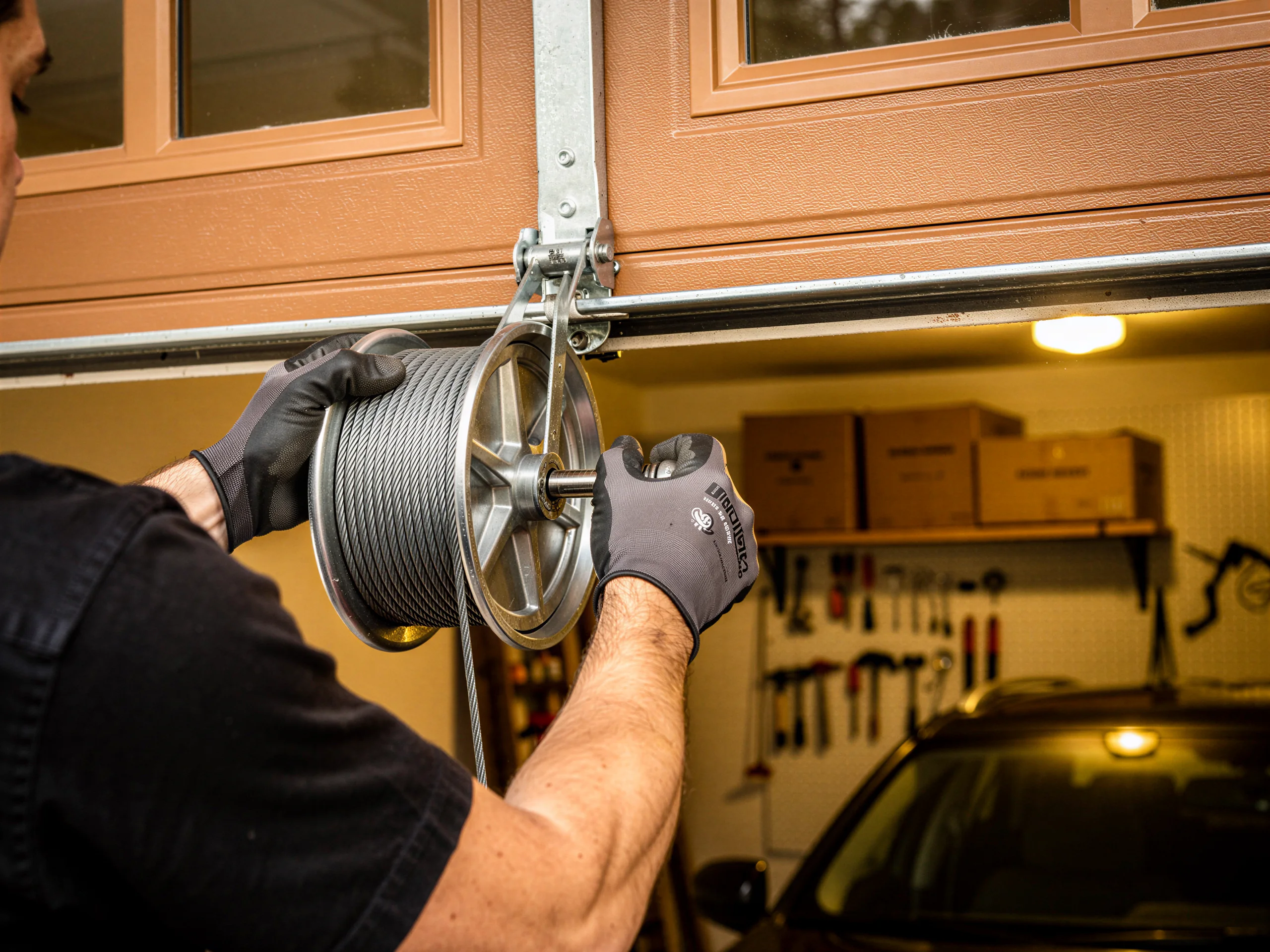
Swapping the bottom two rollers on a door with no spring tension on them is a job a lot of owners handle themselves with a socket wrench and an afternoon. The rollers near the top, the ones under tension from the torsion spring, are a different matter - loosen the wrong bracket on a door this age and the cable can snap off the drum with enough force to do real damage. If you're not sure which bracket is under spring load, that's the honest line where this stops being a DIY job. We'd rather tell you that upfront than patch you up after.

Pricing

What It Costs

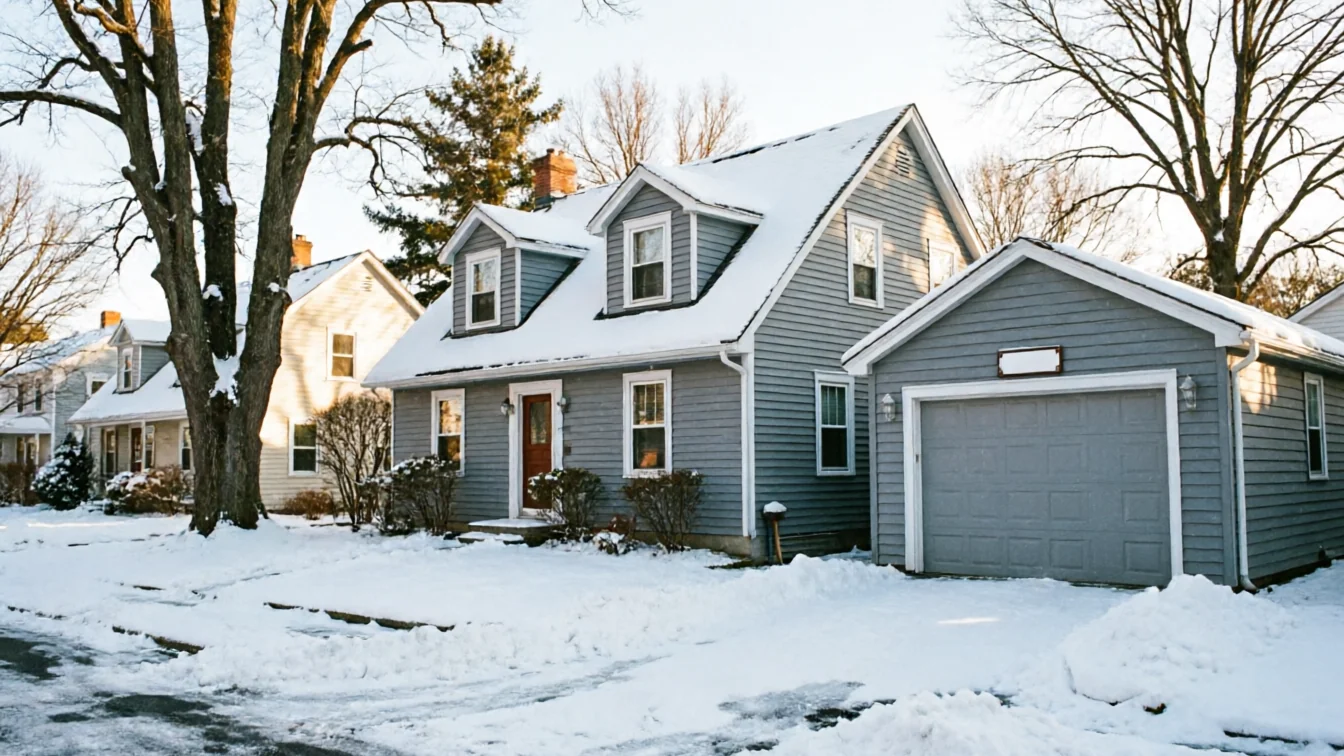
The house and detached garage are covered in snow on a winter day.

Cost depends on how many rollers need replacing and whether the track or hinges come with them. A full set of new rollers on one door costs less than a track replacement, and a lot less than waiting until a seized roller rips the bracket off a 1960s-era panel that's thinner gauge steel than what's sold now. We quote the job after seeing the door, not over the phone, because a door that's been dragging for two years needs more than rollers.

Warning signs

How It Shows Up

A door built in the 1960s on steel rollers tends to announce roller wear the same way: a grinding or squealing sound right as the door clears the bottom bracket, then gets worse as it climbs.

Hesitation at one spot

You'll feel it in the opener too - a door that used to run smooth starts hesitating at the same spot in the track every time, which usually means one roller has worn flat on one side and is catching.

Morning roller noise spikes

On winter mornings, with the service area's cold-climate swings, a dry or worn roller seizes faster than it would in milder weather, so the noise often gets loudest right when the temperature drops.

On the truck

Parts We Carry

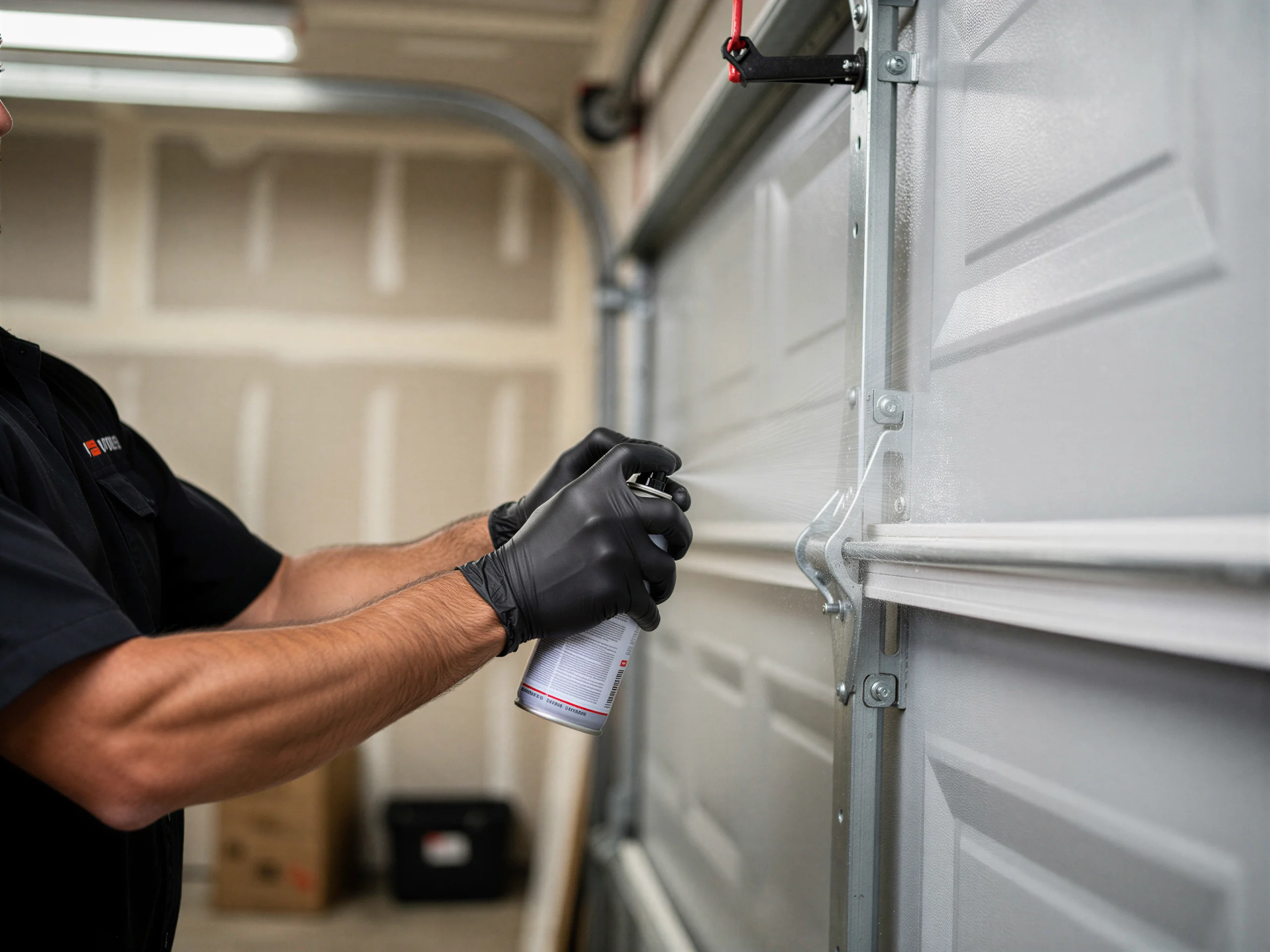
We carry both 7-ball steel rollers and sealed nylon rollers on the truck, sized to fit the narrower track common on doors from this build era rather than the wider modern channel. Steel rollers cost less and hold up fine if the door isn't run several times a day; nylon runs quieter and doesn't need the same grease schedule, which matters on an older track that's already seen decades of metal-on-metal wear. We don't stock every stem length for every custom door - if a bracket is a non-standard size we'll need to order it, and we'll tell you that before we start, not after.

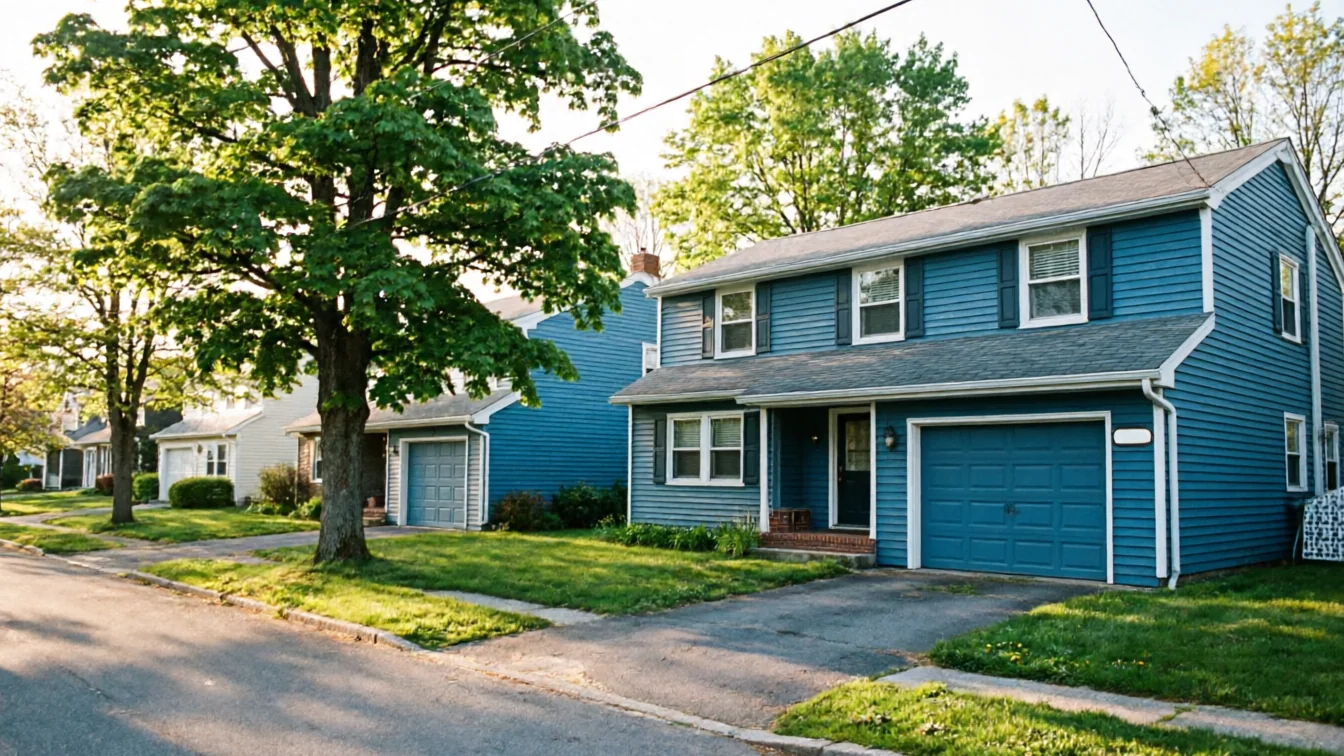
A blue house with a blue garage door sits on a residential street.

Questions

Common questions

Why does my garage door squeal only in winter?

Steel rollers that have lost their grease or worn down a bit seize up faster in cold weather, and this area sees real cold swings. The noise you hear in January is often the same wear that was there in August, just quieter because the metal moved easier in the heat.

Are the rollers original to my house?

On a lot of homes in this part of the service area, built mostly in the 1960s and 70s, yes - the rollers and track are often original unless a prior owner replaced the whole door. Original steel rollers from that era were never sealed, so they wear faster than what we install now.

Can I just replace the noisy rollers and leave the rest?

Usually yes, if the track and hinges are still straight. We check both before quoting, because putting new rollers into a bent or worn track just wears them out again in a year.

Ready when you are

Need a garage door sorted in Stamford?

Stamford Garage Door Pros repairs and installs garage doors, springs and openers in Stamford, CT and the surrounding area.

CallGet a quote