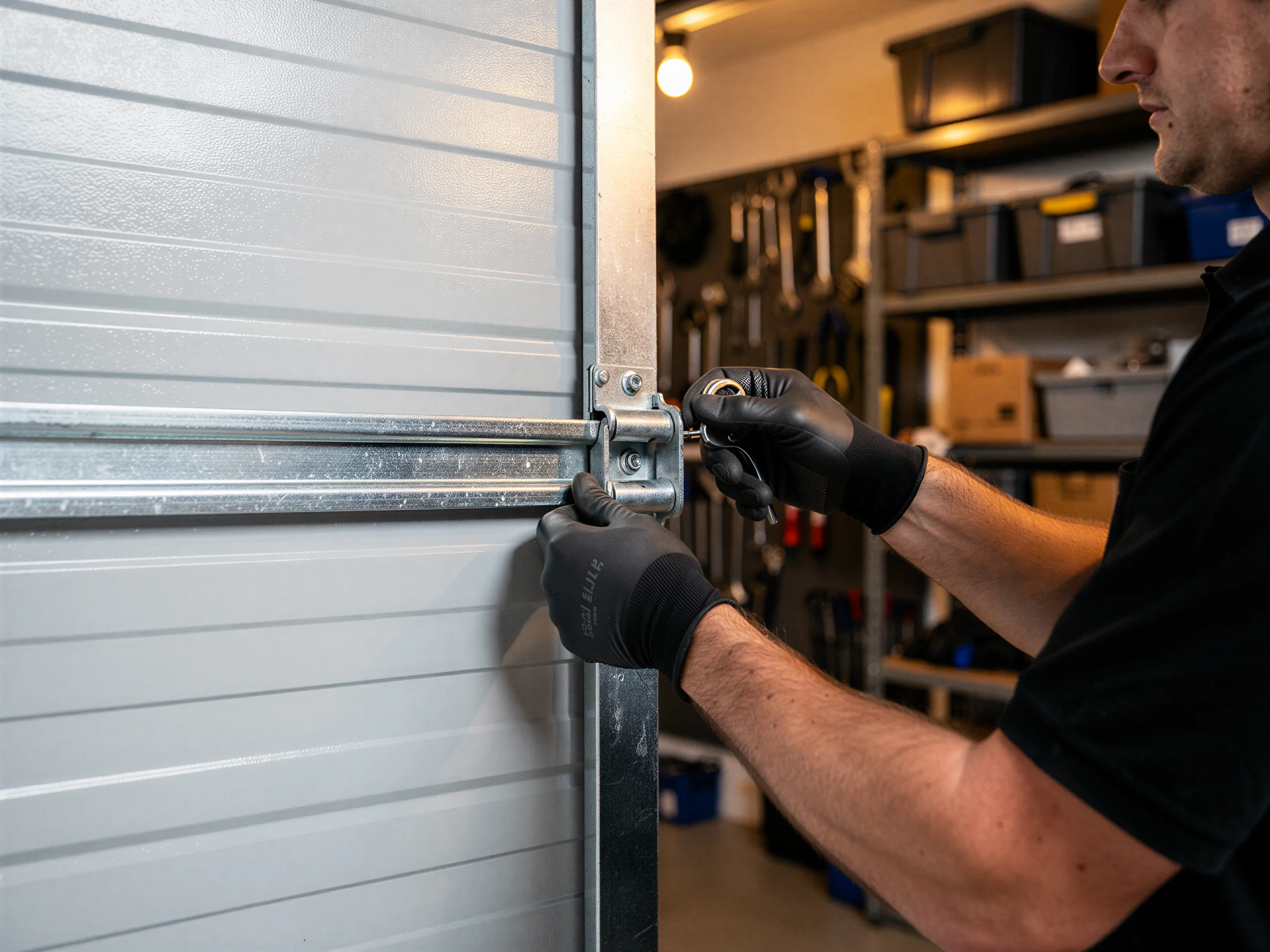
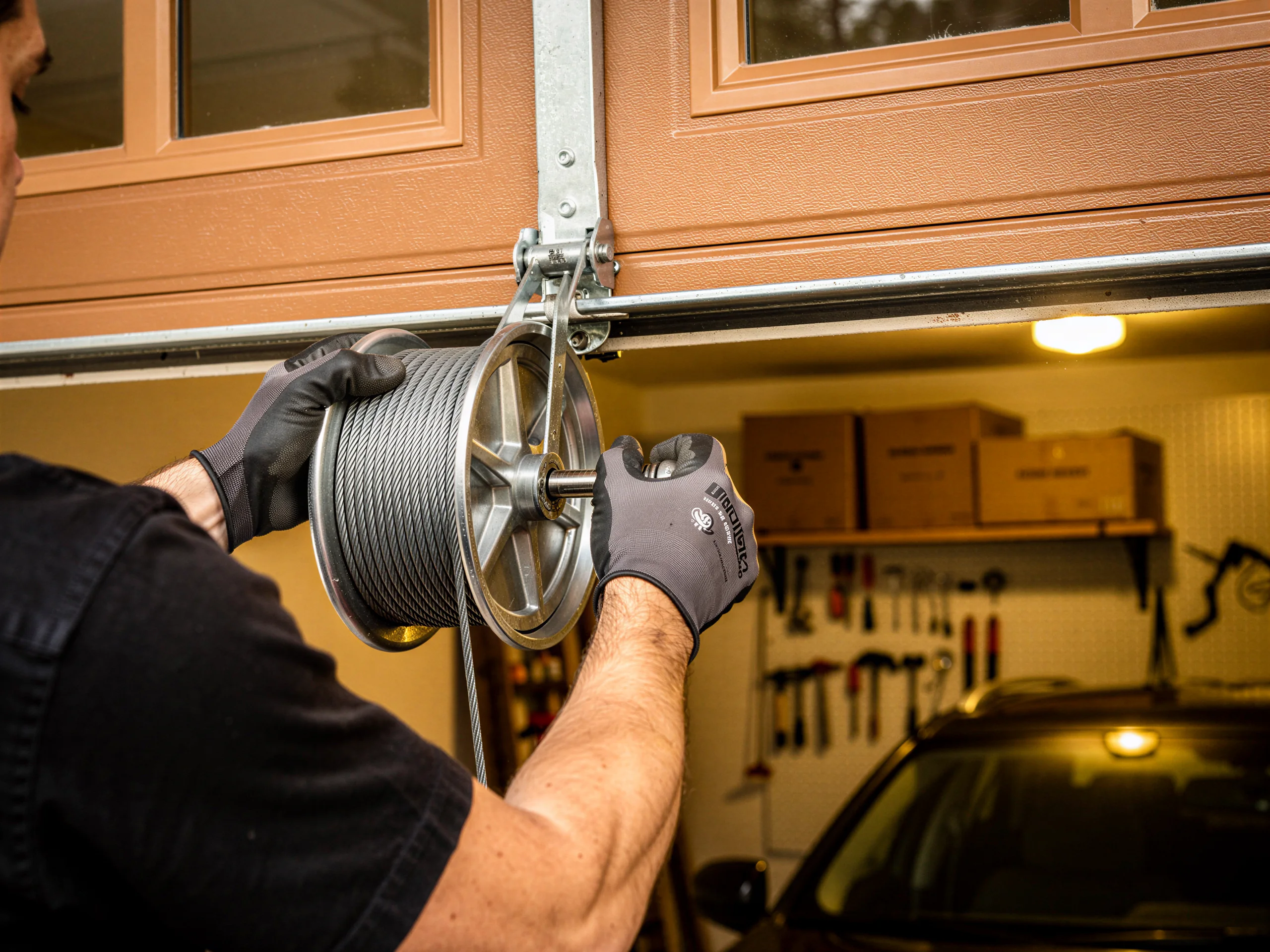
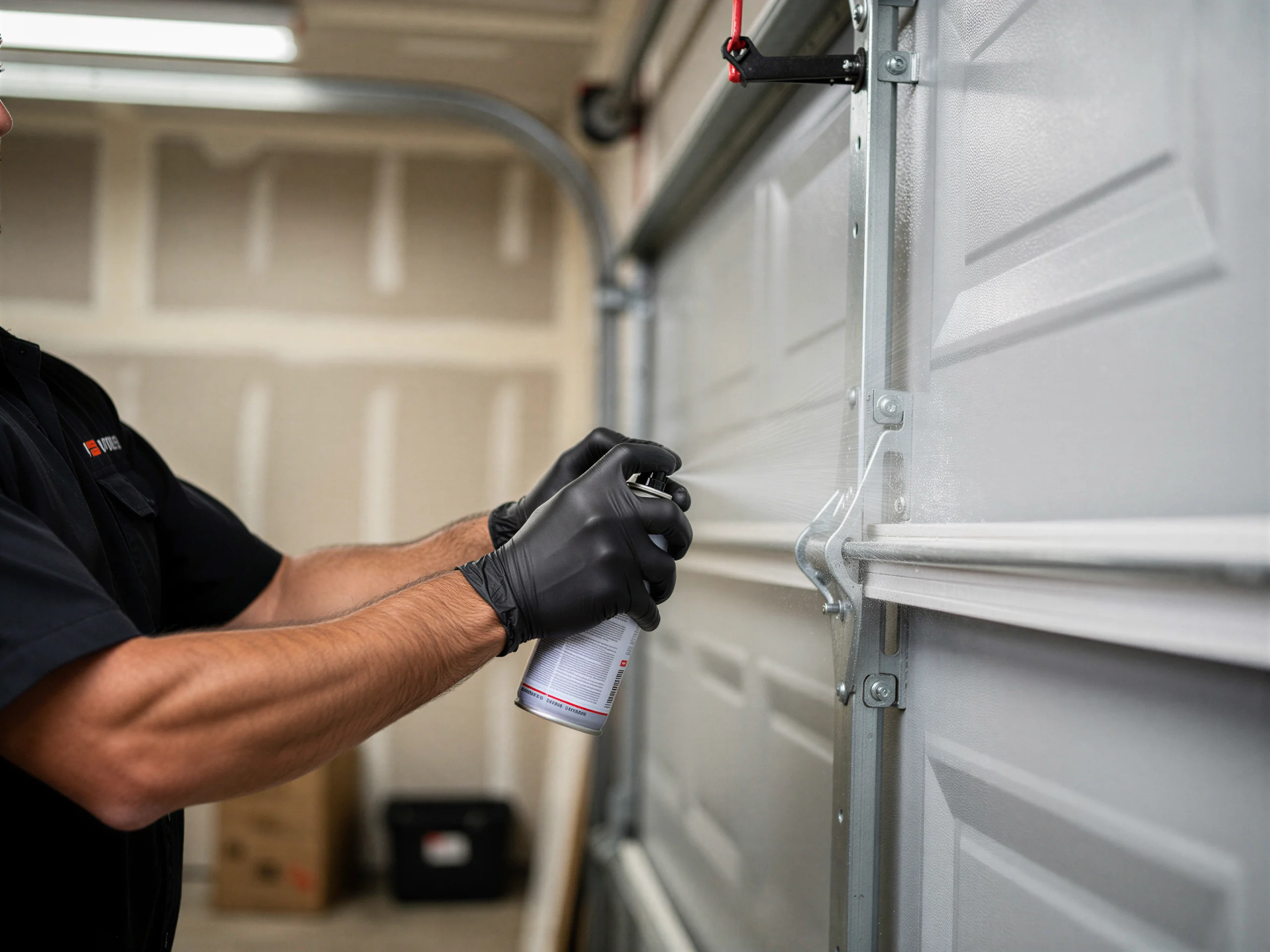
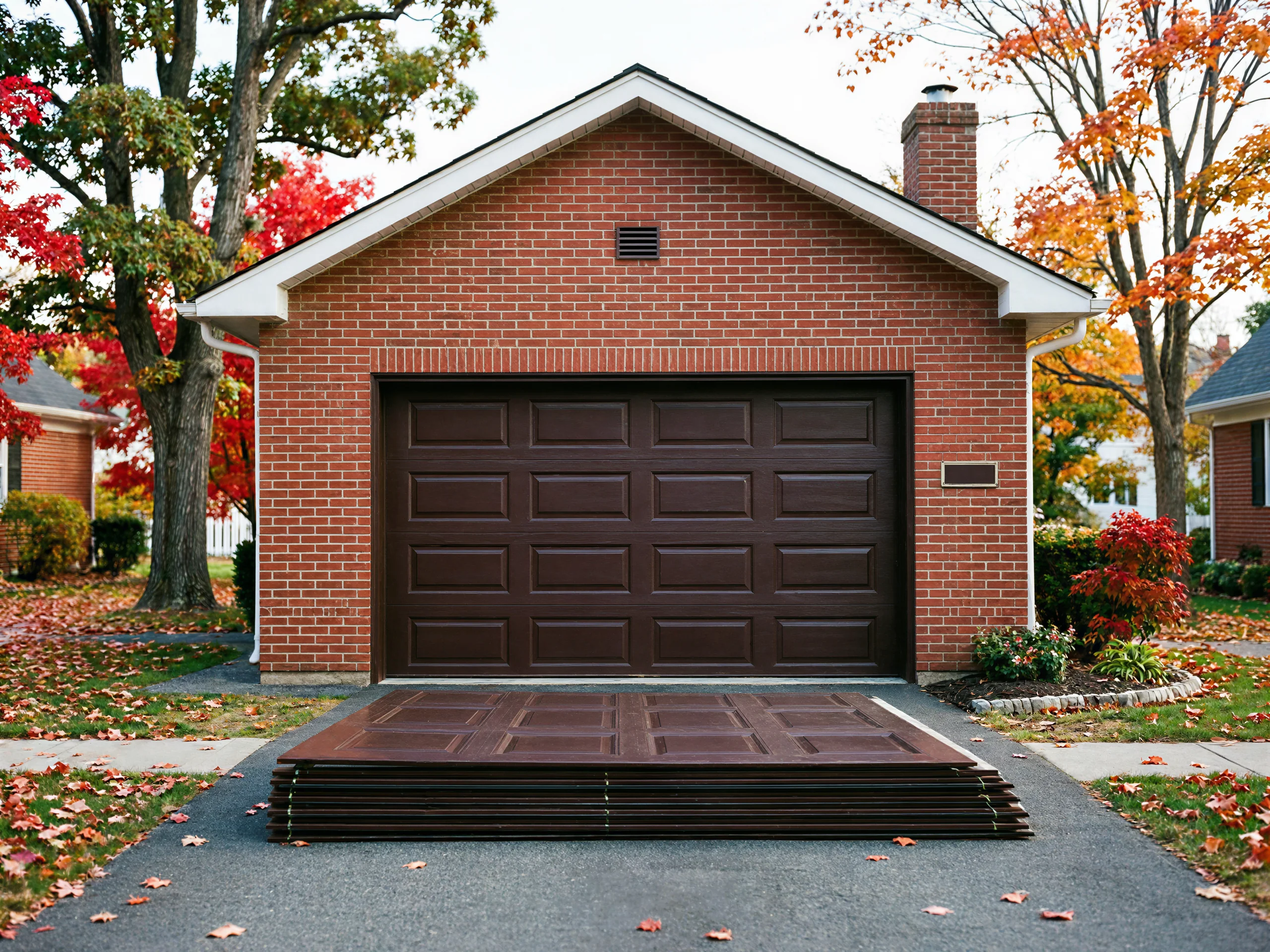
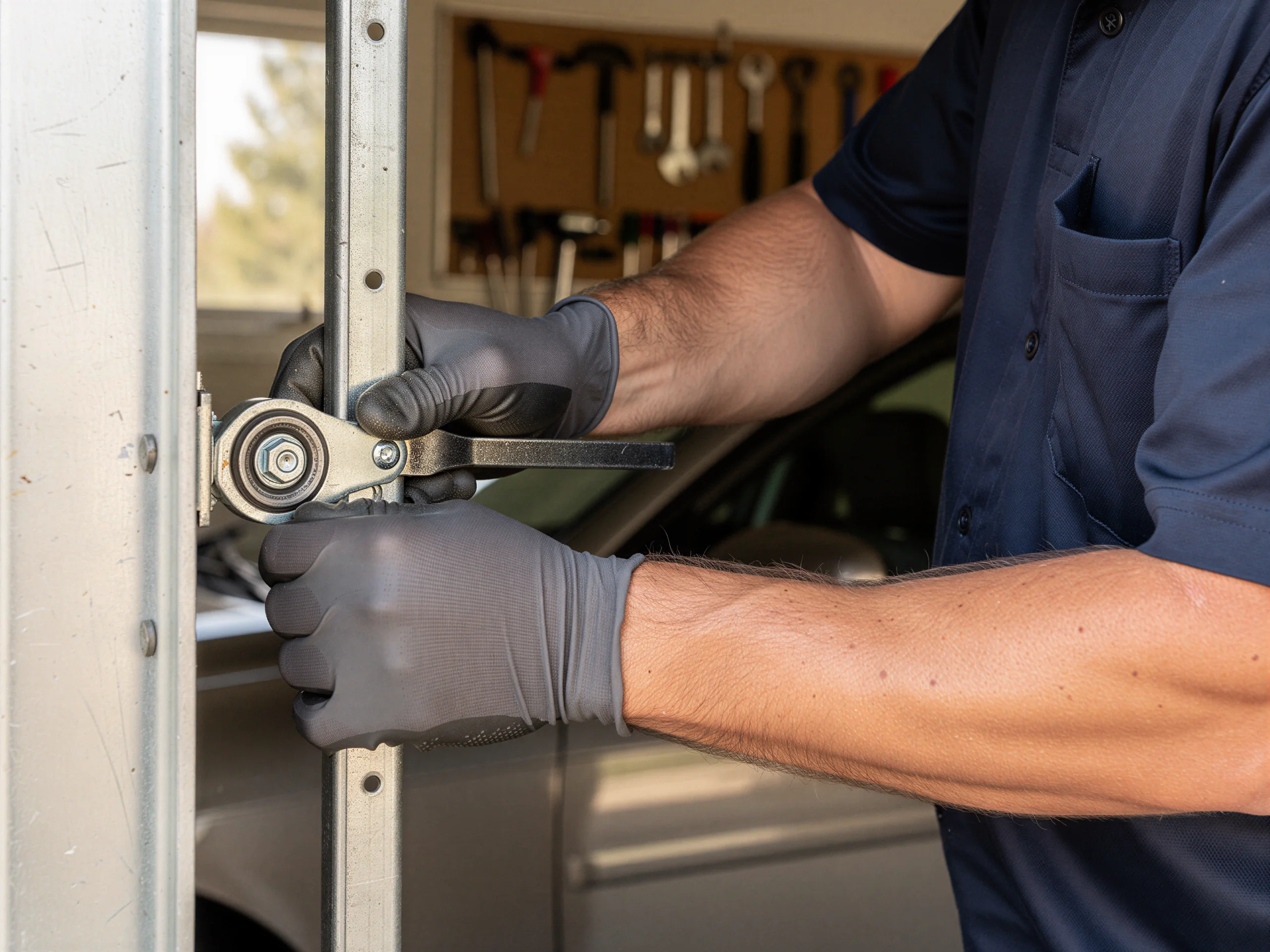
The region sits in a cold-severe climate band, and that matters more than people think for a door that's been in service since the late 1960s. Decades of temperature swings work on torsion springs the same way they work on any coiled steel - the coil loses tension gradually, then fails all at once, usually on the coldest morning of the year when the steel is least forgiving. That's not a Westport-specific defect; it's physics acting on hardware that's had fifty-plus years to fatigue.
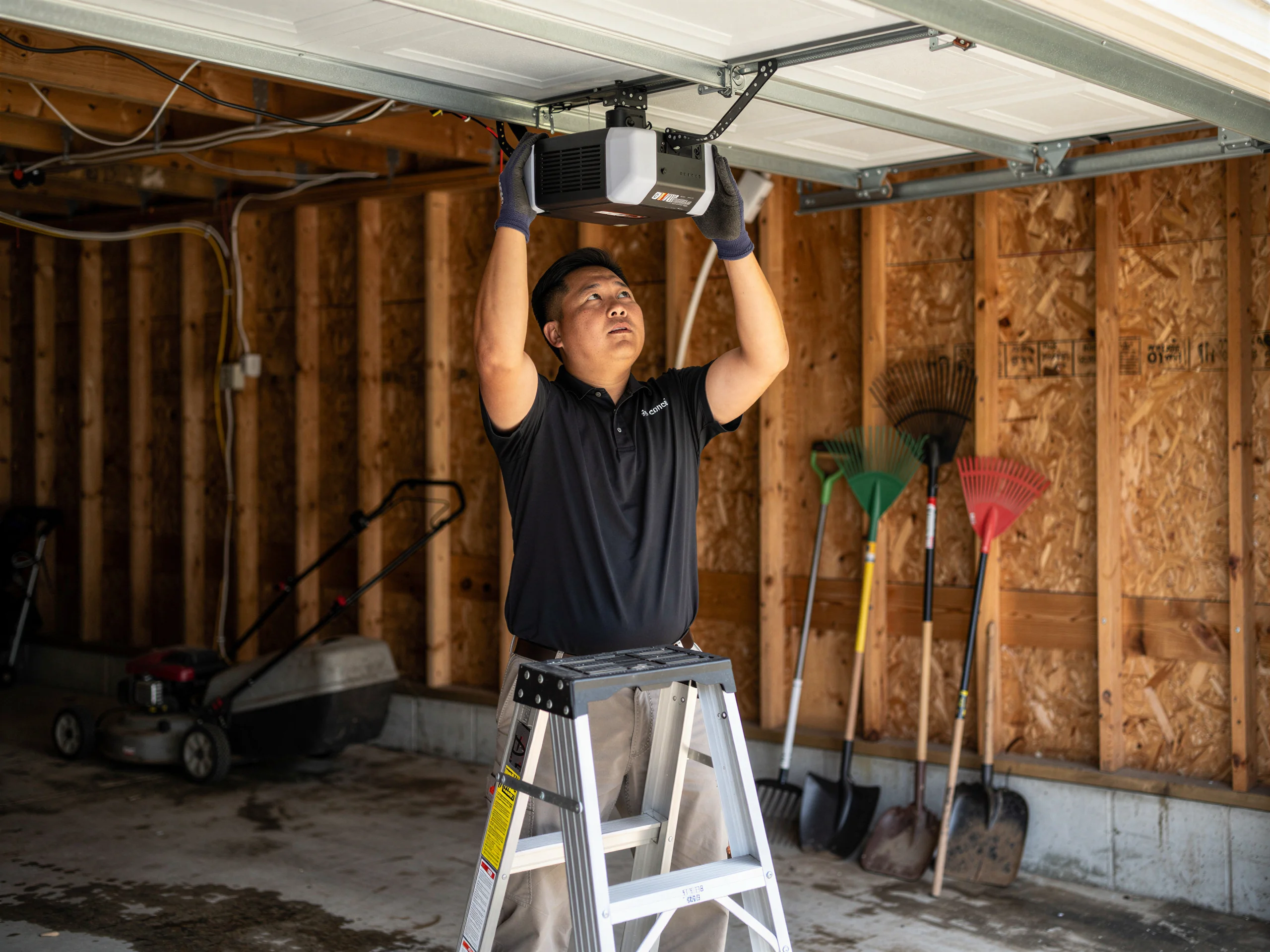
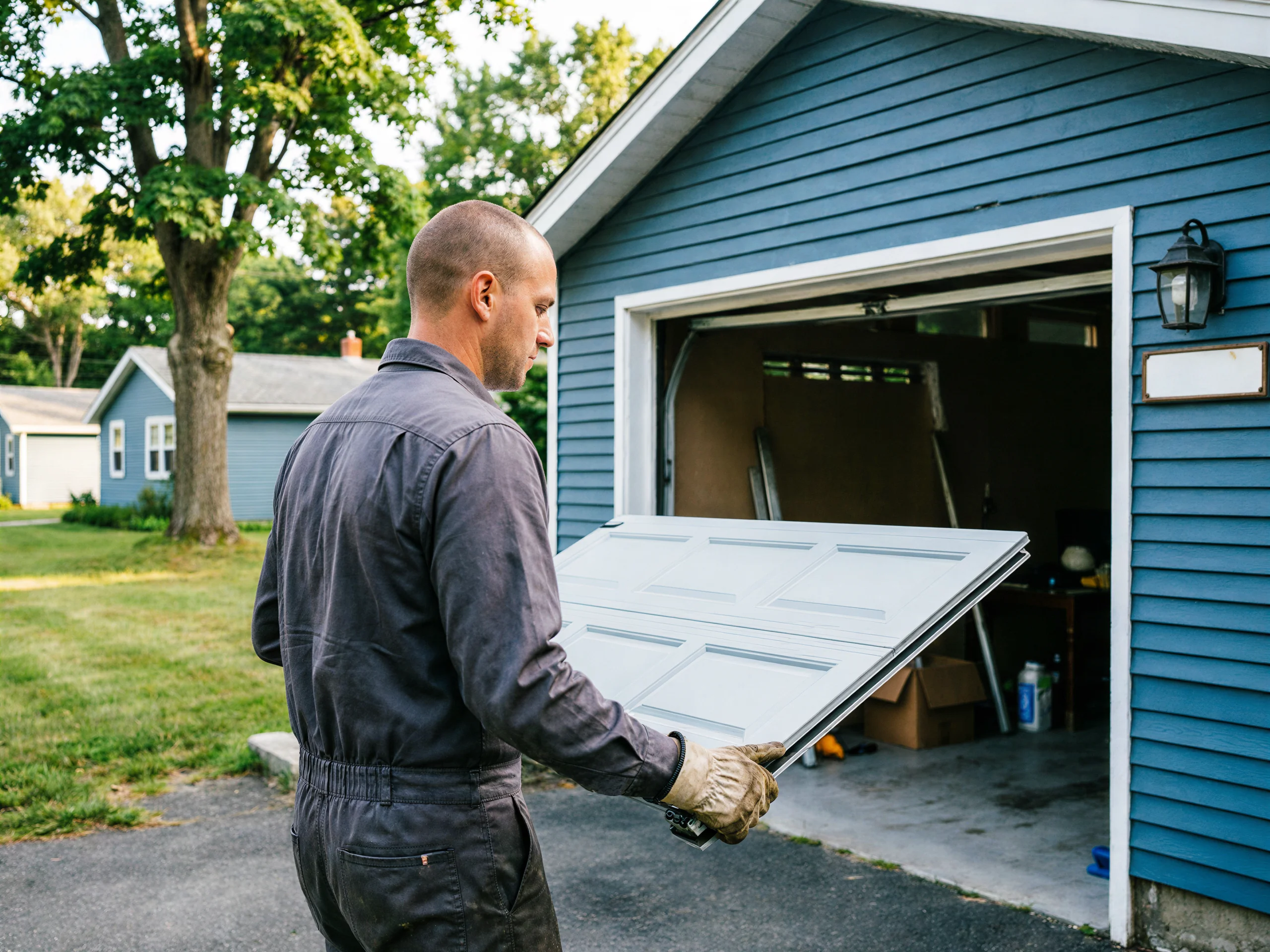
What is specific to houses from this build era is the combination: original springs, original drums, and in many cases an opener that's been upgraded once already without anyone re-checking whether the spring is still rated for the new unit's cycle count. A heavier insulated door on an old, tired spring shortens the life of everything downstream of it - cables, rollers, the opener's drive gear. We see that pattern consistently in homes from the 1960s and 70s stock across this part of the state, and it's the reason a spring replacement here is rarely a stand-alone fix.